Can VR count as vocational training for mine workers under India’s 2026 OSHWC Rules?
November 18, 2026
November 18, 2026
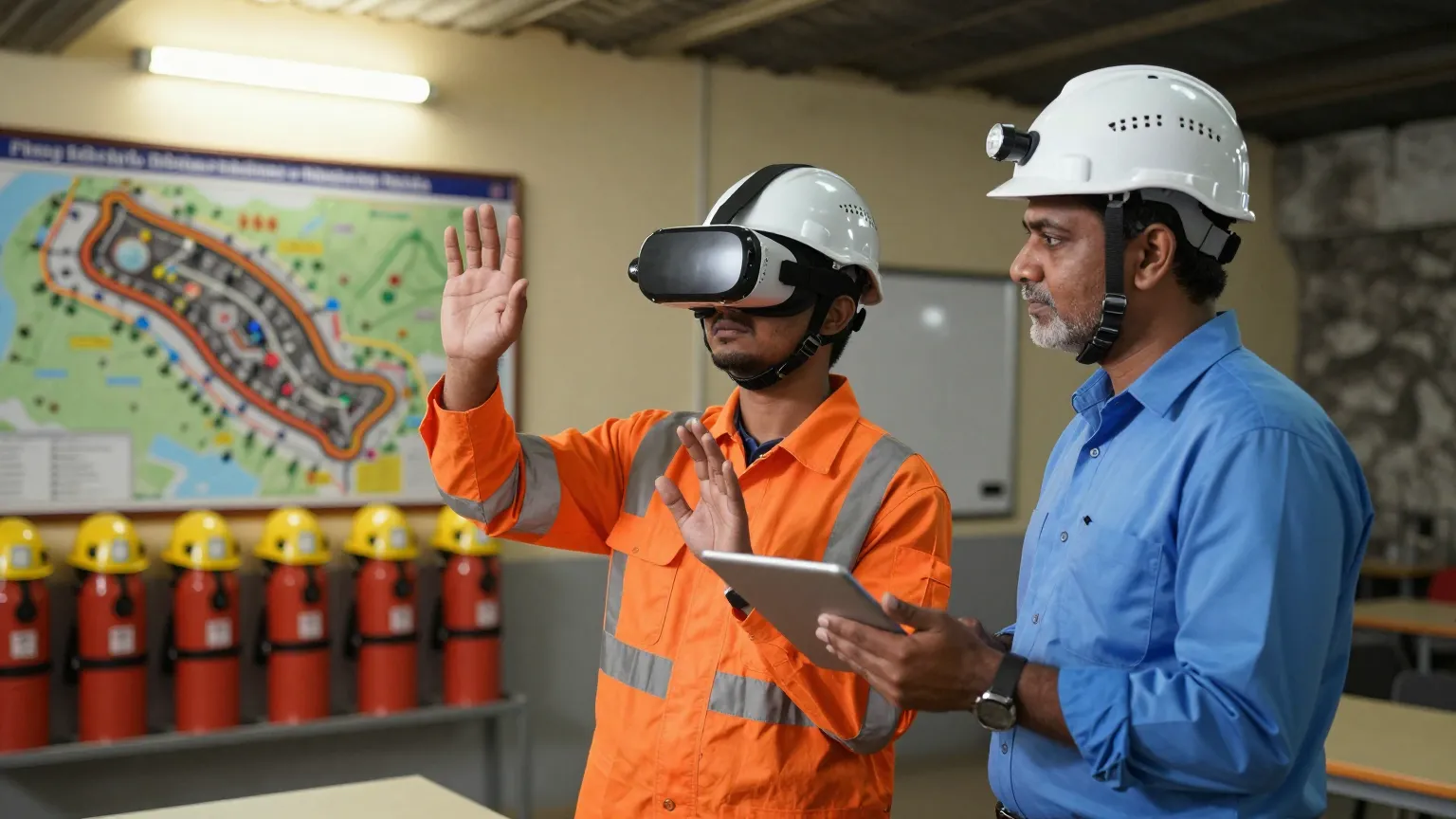
Yes, with conditions. The OSHWC (Central) Rules, 2026 superseded the Mines Vocational Training Rules, 1966 on 8 May 2026. They never mention VR, but they require every mine to run an approved training scheme covering initial, refresher and new-technology training with competency assessment (Rules 157–162). VR modules can sit inside that scheme, provided the Chief Inspector-cum-Facilitator accepts them and instructors meet the July 2026 qualification standards.
For sixty years, safety training in Indian mines ran on the Mines Vocational Training Rules, 1966: six days of theory and gallery training, twelve working days of practical training below ground, and refresher lectures only when a worker came back after a year away. On 8 May 2026 the Ministry of Labour and Employment notified the Occupational Safety, Health and Working Conditions (Central) Rules, 2026 (G.S.R. 345(E)), which supersede the 1966 Rules and move mine vocational training into a scheme-based framework under Rules 157 to 176.
Mine operators, contractors and training officers now have a practical question: can the VR and simulator programmes that Coal India subsidiaries have already been building count towards the new training duties? In this guide we read the 2026 Rules as written, set out what they allow, what they do not say, and how we would structure a VR programme so that it survives an inspection.
The 1966 Rules prescribed inputs: days in a gallery, numbers of lectures, a fifty-paise daily allowance for trainers. The 2026 Rules prescribe a system. Rule 157 requires the employer to maintain a training scheme that covers initial training for new entrants, refresher training, training on new technology, competency assessment, appointment of trainers, record-keeping and course material for the Vocational Training Centre. The Chief Inspector-cum-Facilitator (CCIF), the role DGMS now occupies under the OSH Code, can order changes to that scheme.
| Requirement | Mines Vocational Training Rules, 1966 | OSHWC (Central) Rules, 2026 |
|---|---|---|
| Basic training, below ground | 6 days theory and gallery (Second Schedule) plus at least 12 working days practical (Rule 6(2)) | Training under the mine’s approved scheme before starting work (Rules 157–158); no fixed day count in the Rules |
| Refresher training | Only on return after an absence of more than one year (Rule 8) | At least once every four years for every employee (Rule 159), on full-day release (Rule 160) |
| New technology | Not addressed | Training module filed with the CCIF at least 60 days before introduction (Rule 161) |
| Re-training | After absence over one year | After absence over one year, after a serious accident or dangerous occurrence, or on change of job (Rule 162) |
| Training centre | Owner must provide a centre approved by the Chief Inspector (Rules 18–19) | Employer must maintain a Vocational Training Centre with staff, equipment and facilities the CCIF specifies (Rules 163–164) |
| Instructors | Trainer must have attended six approved safety lectures (Rule 23) | Qualifications notified by DGMS on 13 July 2026 (G.S.R. 622(E)): five years’ relevant mining experience, structured instructor modules and refresher every three years (Rule 169) |
| Records | Training Officer keeps registers (Rule 21) | Training officer keeps records, reports monthly to the manager and annually to the inspector (Rule 166); certificates countersigned by the manager (Rule 173) |
Two shifts matter for anyone considering VR. First, refresher training is now periodic rather than exceptional, which multiplies the number of training days a mine must deliver. Second, Rule 161 creates a formal route for introducing a new training method: file the module, get it accepted, train on it.
The numbers explain the urgency. Coal India’s own figures in the Ministry of Coal Annual Report 2025–26 show 25 fatal accidents and 32 fatalities between January and November 2025, against 22 and 25 for the whole of 2024, and a fatality rate of 0.05 per million tonnes against 0.03 the year before. BCCL alone recorded 9 deaths in 4 accidents. Across the industry, DGMS’s January 2026 summary counts 42 fatal accidents in coal mines in 2025, up from 38 in 2024 and 37 in 2023, with another 31 in metalliferous mines.
There is a positive signal in the same data: near-miss reports at Coal India rose from 72 in 2024 to 185 in 2025. Mines are seeing more of the events that precede accidents. The policy direction is equally clear. DGMS has set a goal of halving the accident rate within five years and reaching zero harm, its Vision Zero, by 2047. Those targets will not be met with lecture halls alone, which is why the 2026 Rules put competency assessment, not attendance, at the centre of the scheme.
The honest reading is that the Rules neither name nor exclude VR, simulators or any other delivery method. What they do is give the employer ownership of the scheme and the CCIF the power to accept or amend it. That leaves four hooks on which a VR programme can hang.
Two limits remain. Rule 168 and Rule 171 still require each trainee to work under an experienced trainer who accompanies them underground and shows them the escape routes; VR cannot substitute for that supervised practical period. And Rule 169 means the person running a VR session must meet the G.S.R. 622(E) instructor standard, not just know the software. A headset is a tool inside the scheme, not a scheme in itself.
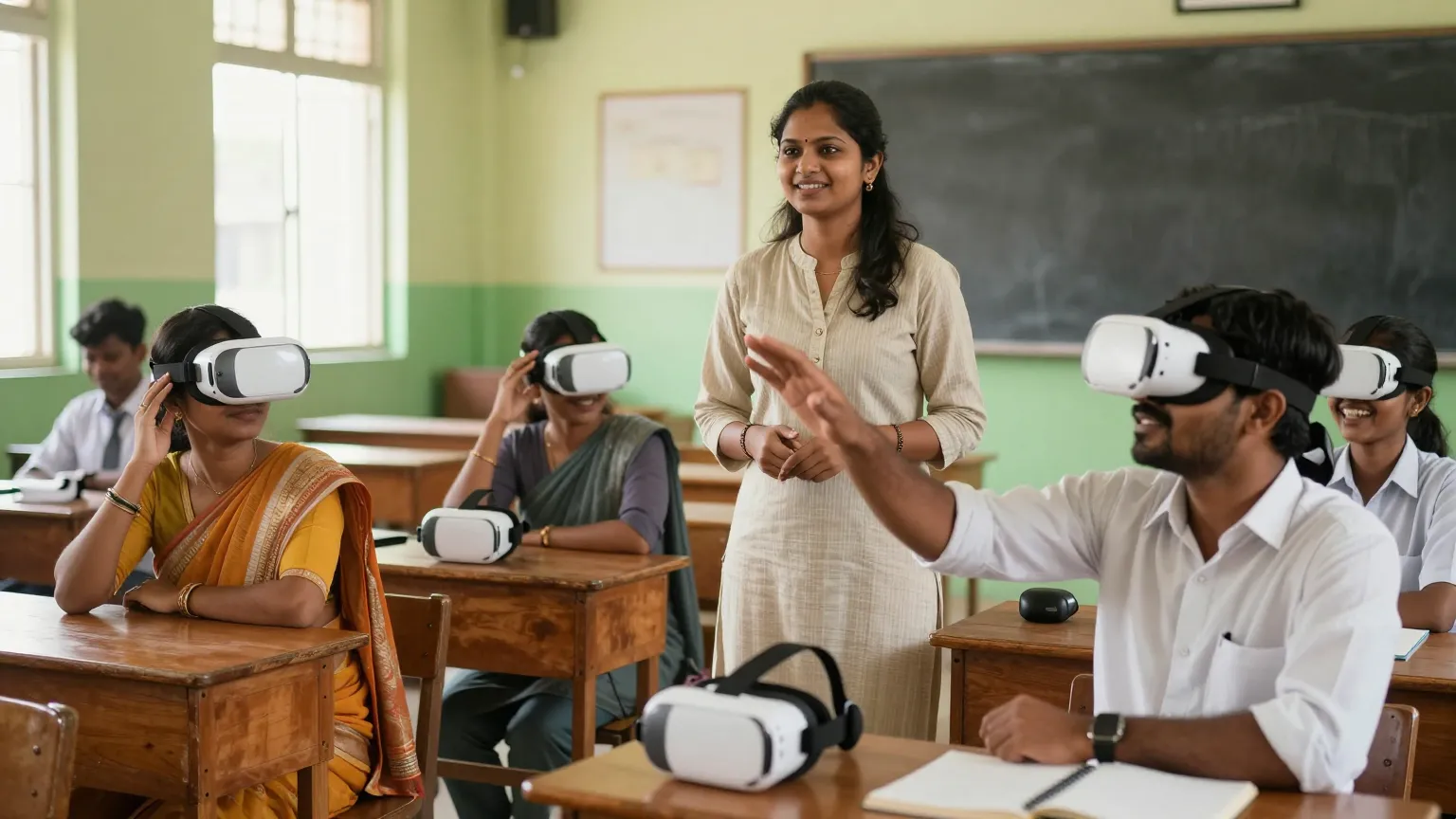
The precedent is set by the public sector. In July 2023, Mahanadi Coalfields announced a ₹6.5 crore programme to train about 17,000 departmental and contract workers on 18 VR modules covering blasting, mine inspection, electrical safety, traffic simulation and engine and transmission maintenance, procured through GeM and targeted for completion by 2026. Coal India’s annual report records a simulator for dumper, dragline, shovel and dozer operators and a VR training module at group level, while NLCIL’s vocational training centre at Neyveli put 7,625 people through training between January and November 2025, including 2,768 new contract workers.
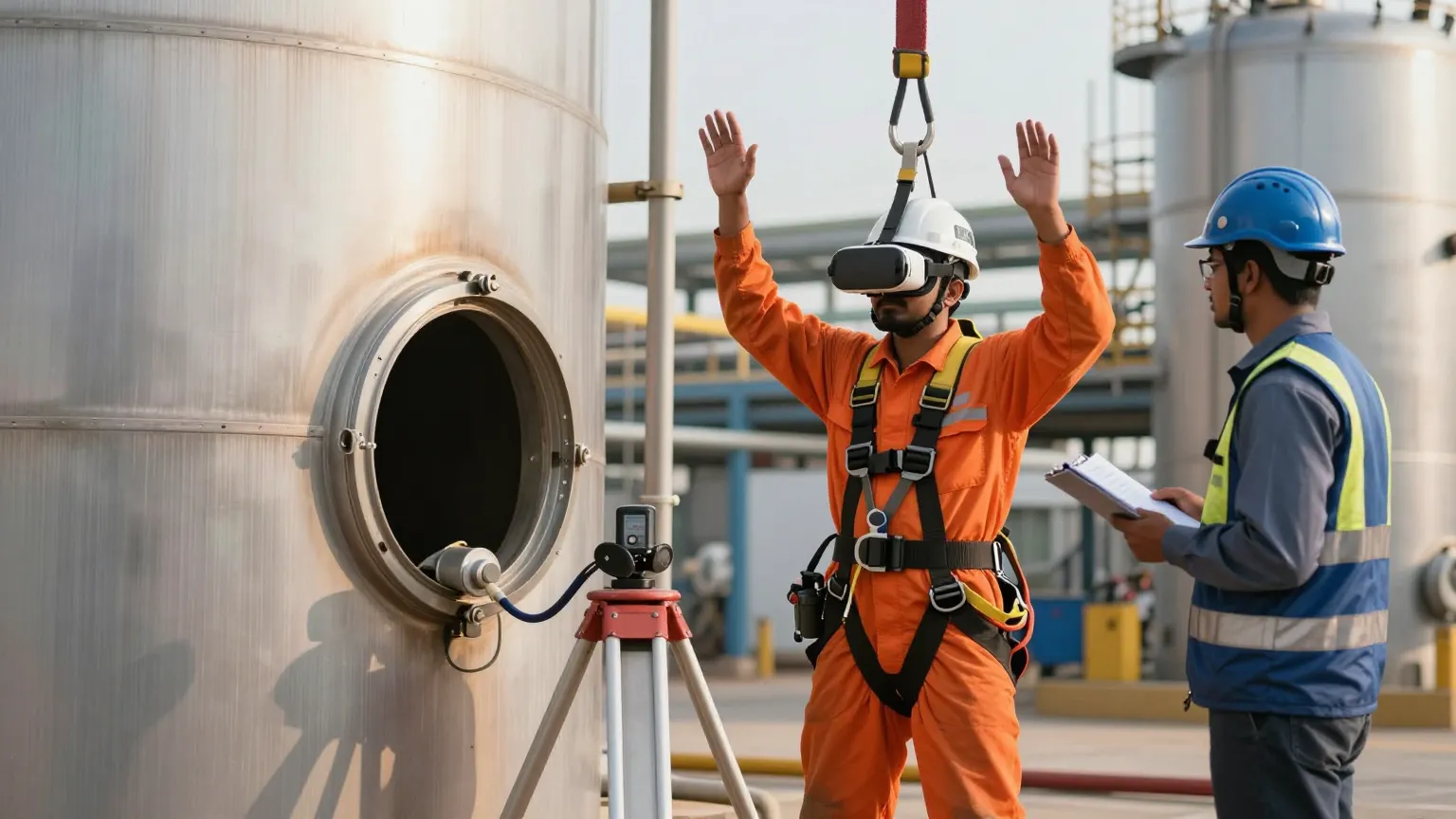
From our own work on confined-space and work-at-height training and emergency mock drills, the scenarios that justify VR are the ones that are dangerous, rare or expensive to stage physically: roof and side-fall recognition, haulage and dumper blind spots, misfire handling after blasting, inundation and escape-way navigation, self-rescuer donning in smoke, and electrical isolation before maintenance.
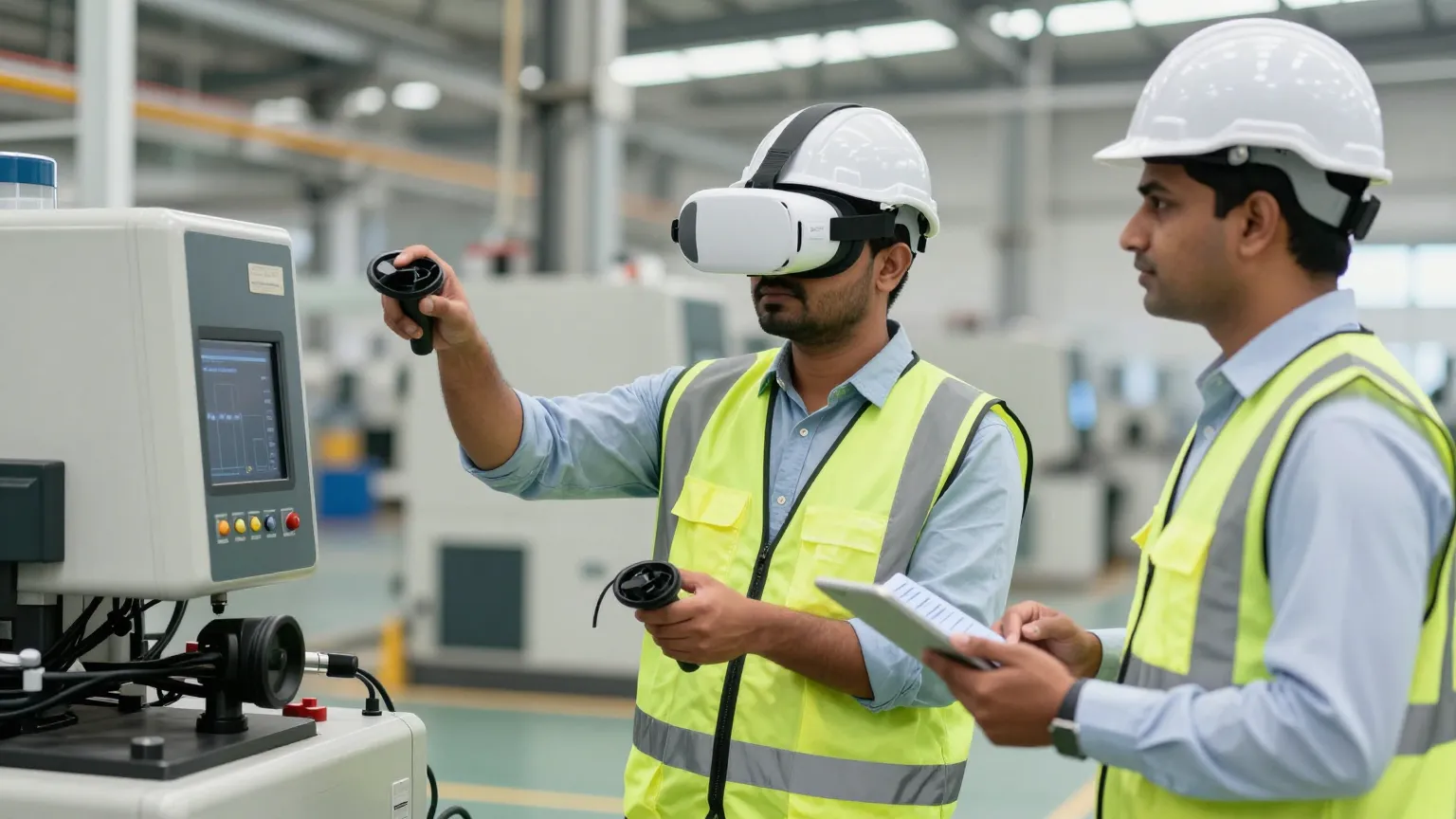
Budgeting follows the same logic we set out for factories in our VR safety-training cost guide: a modest number of headsets, shared across shifts, against a four-year refresher cycle for the whole workforce.
We build these programmes on Abhigyaan Pro, our professional training platform developed to professional grade with AFMC, which runs the same scenario on a VR headset and in a browser, records every action a trainee takes, and keeps data in Indian data centres by default with an air-gapped option for sites that need it. If you are rewriting your mine’s training scheme for the 2026 Rules, book a 30-minute call with our team and we will walk through which modules make sense for your hazards.
No. The Occupational Safety, Health and Working Conditions (Central) Rules, 2026, notified as G.S.R. 345(E) on 8 May 2026, supersede the 1966 Rules, except for things already done under them. Mine vocational training is now governed by Rules 157 to 176 of the 2026 Rules, administered by DGMS as the Chief Inspector-cum-Facilitator.
Rule 159 requires every employee to receive refresher training at least once every four years, and Rule 160 requires it to be delivered during normal working hours on a full-day release basis. The Chief Inspector-cum-Facilitator can shorten or extend the interval for a particular mine by written order.
No. The Rules describe what a training scheme must contain, not the delivery method. VR fits as course material and competency assessment under Rule 157, as a new-technology module under Rule 161, and as a facility the Chief Inspector-cum-Facilitator can specify for a Vocational Training Centre under Rule 164, but it must be accepted within the scheme.
Not under the current Rules. Rule 168 requires each trainee to be directly supervised by an experienced, manager-authorised trainer, and Rule 171 requires that trainer to accompany trainees underground and ensure they know the escape routes. VR can prepare and assess workers before that period and re-train them afterwards, but it does not remove it.
Mahanadi Coalfields announced in July 2023 a ₹6.5 crore programme covering about 17,000 workers across 18 VR modules on blasting, inspection, electrical safety and equipment maintenance. Coal India’s Annual Report 2025–26 also records a dumper, dragline, shovel and dozer simulator and a VR training module, and NLCIL and SCCL run modernised vocational training centres.
This article is for general information and is not legal advice. Confirm obligations against the official text of the Occupational Safety, Health and Working Conditions (Central) Rules, 2026, DGMS circulars and any orders of the Chief Inspector-cum-Facilitator, and consult qualified counsel for your situation.

I am a founder director at Qodequay Technologies Pvt. Ltd., a leading digital transformation consulting firm that helps clients across industries to innovate, optimize, and grow their businesses. I have over two decades of experience in the digital domain, spanning product development, e-commerce, user experience, design thinking, web and app development, and business leadership. My core competencies include developing and executing digital transformation strategies, building teams globally, roadmaps, and solutions that leverage data, insights, and emerging technologies such as artificial intelligence, augmented reality, blockchain, and immersive experience. I also have expertise in digital commerce, supply chain integration, and product management, having worked with both B2B and B2C brands in various sectors. My mission is to create value for customers and stakeholders by delivering impactful and engaging digital experiences that drive growth and innovation.
November 18, 2026

November 17, 2026

November 13, 2026

November 12, 2026

November 11, 2026
Monthly insights on AI, VR and DPDPA compliance — straight from our team to your inbox.
Free 30-minute consultation with our team — or see our products in action.