
Hemlata Kalsha
I am a founder director at Qodequay Technologies Pvt. Ltd., a leading digital transformation consulting firm that helps clients across industries to innovate, optimize, and grow their businesses. I have over two decades of experience in the digital domain, spanning product development, e-commerce, user experience, design thinking, web and app development, and business leadership. My core competencies include developing and executing digital transformation strategies, building teams globally, roadmaps, and solutions that leverage data, insights, and emerging technologies such as artificial intelligence, augmented reality, blockchain, and immersive experience. I also have expertise in digital commerce, supply chain integration, and product management, having worked with both B2B and B2C brands in various sectors. My mission is to create value for customers and stakeholders by delivering impactful and engaging digital experiences that drive growth and innovation.
Our LATEST POSTS FROM Hemlata Kalsha
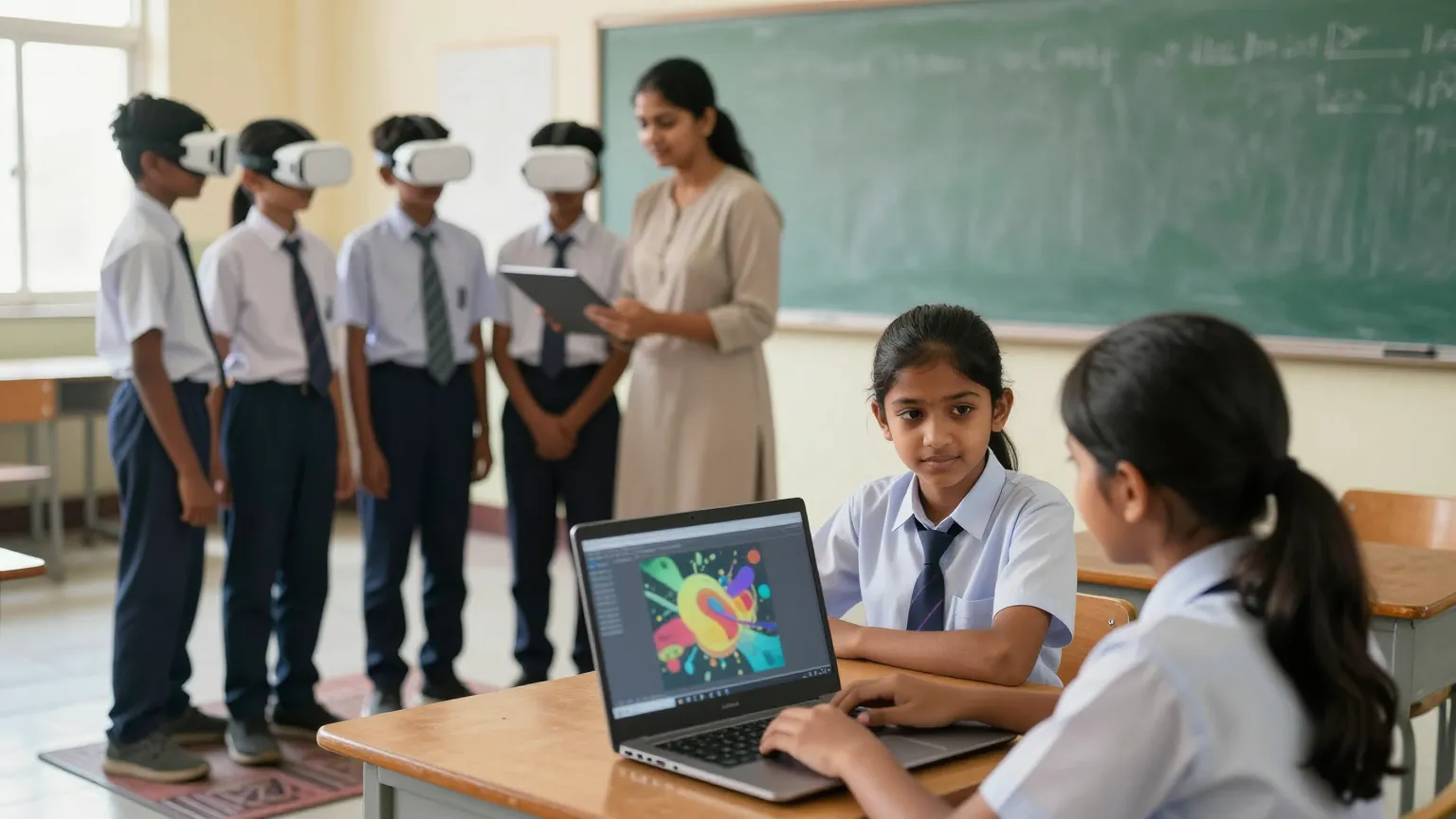
What is the difference between CBSE’s DIKSHA virtual labs and a school VR lab?
Posted on November 13, 2026 by Hemlata Kalsha
They are different tools that work best together: CBSE’s 845+ DIKSHA virtual labs are free screen-based simulations mapped to NCERT chapters; a school VR lab runs immersive 3D experiences for whole sections. Neither replaces board-exam practicals.

What are “reasonable security safeguards” under DPDPA, and what must an Indian CTO build by May 2027?
Posted on November 12, 2026 by Hemlata Kalsha
Rule 6 of the DPDP Rules 2025 lists seven minimum safeguards: encryption or masking, access control, logging, backups, one-year log retention, processor contract clauses and organisational measures. They bind every Data Fiduciary from 13 May 2027.
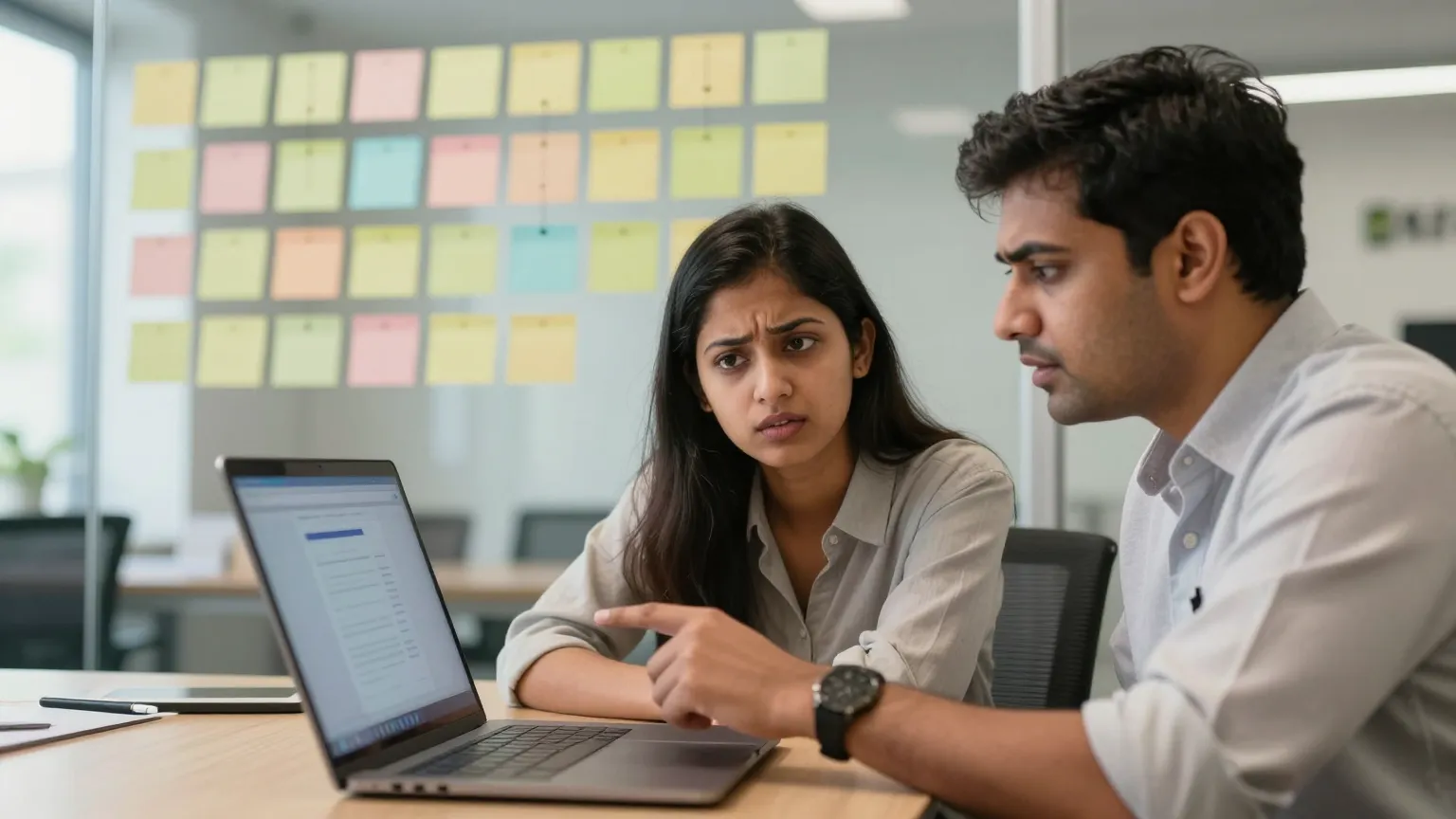
Why do new users drop off during SaaS onboarding, and can design thinking fix it?
Posted on November 11, 2026 by Hemlata Kalsha
Most new users leave because the product asks for effort before it shows value; design thinking fixes that by redesigning the first session around the user’s job, not the feature list.
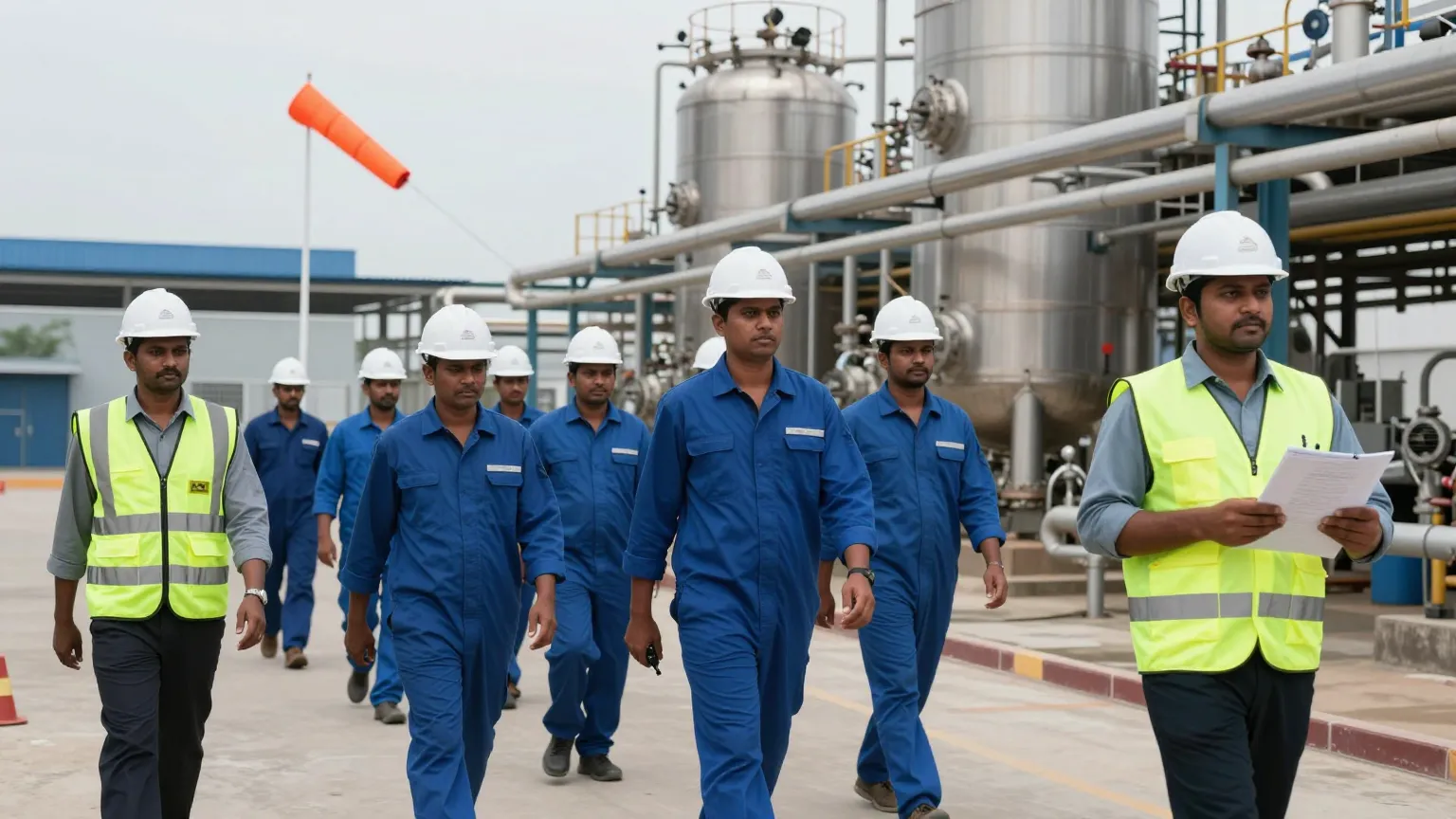
How often must an Indian factory run an emergency mock drill, and can VR make it count?
Posted on November 10, 2026 by Hemlata Kalsha
Every six months for plants handling hazardous chemicals above threshold quantities: MSIHC Rule 13(4) requires a mock drill of the on-site emergency plan, with a report to the authority. VR cannot replace the drill but can rehearse each worker’s decisions.

What does a DPDPA-compliant lead form look like for an Indian website?
Posted on November 9, 2026 by Hemlata Kalsha
A compliant lead form collects only the fields its purpose needs, shows a standalone Rule 3 notice at the point of capture, and uses separate, unticked checkboxes for marketing; pre-ticked boxes fail Section 6(1).
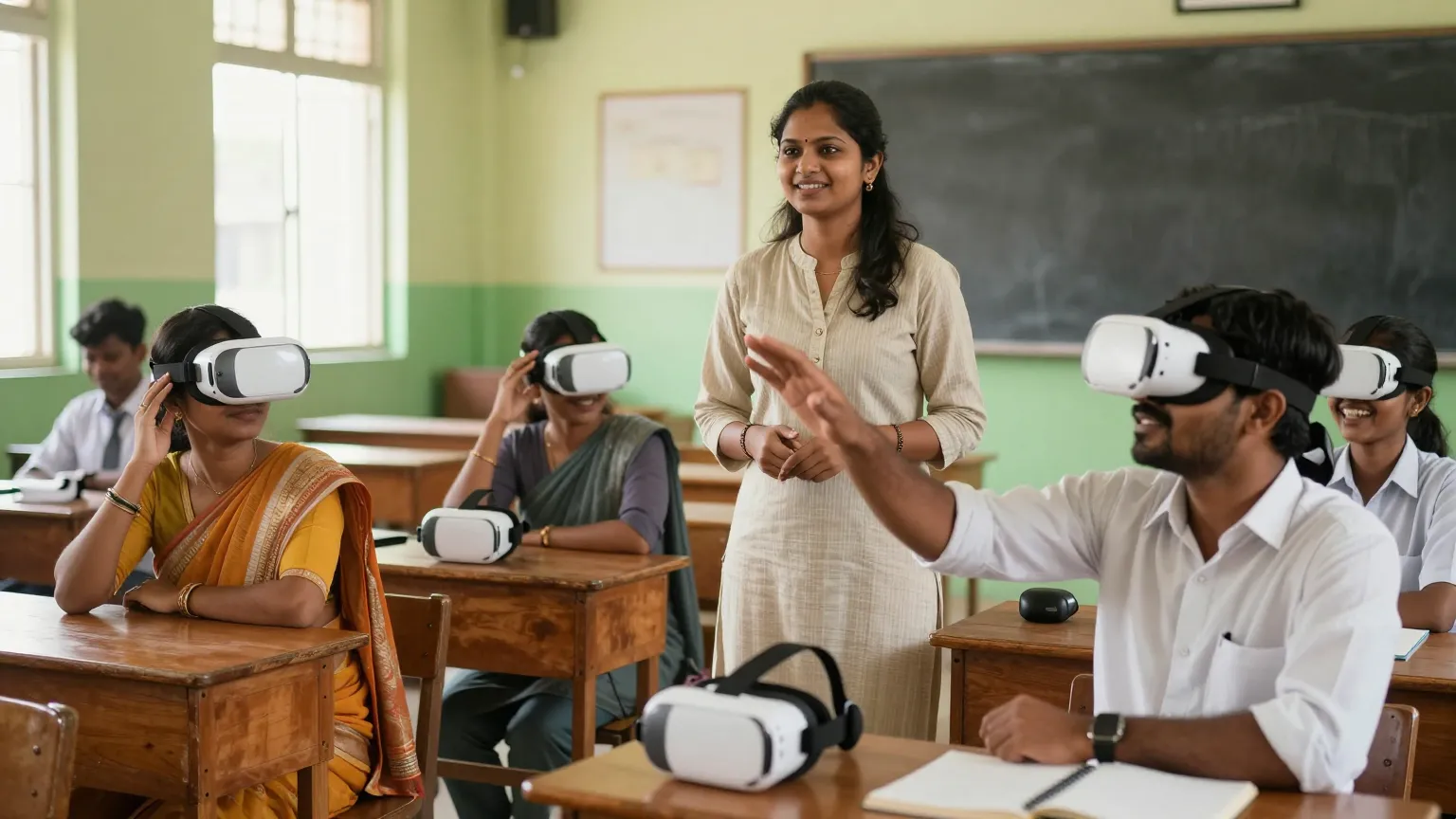
How do you train teachers to run a school VR lab in India?
Posted on November 8, 2026 by Hemlata Kalsha
Plan 12 to 16 hours of structured training per teacher across the first term, not a one-day vendor demo: a three-hour hands-on onboarding, subject lesson-mapping workshops, two lab coordinators and weekly practice slots, documented to count toward CBSE’s 50-hour CPD requirement.

What changes for Indian businesses when DPDPA Consent Manager registration opens on 13 November 2026?
Posted on November 7, 2026 by Hemlata Kalsha
On 13 November 2026, Rule 4 and the First Schedule of the DPDP Rules 2025 open Consent Manager registration with the Data Protection Board. Ordinary data fiduciaries get no new obligation; their duties start 13 May 2027.

How do you choose a design thinking consultancy in India?
Posted on November 6, 2026 by Hemlata Kalsha
Choose a design thinking consultancy on evidence, not vocabulary: recent Indian user research, a dated timeline ending in a tested prototype, named team, transparent day rates and clear IP terms. Pilot first.
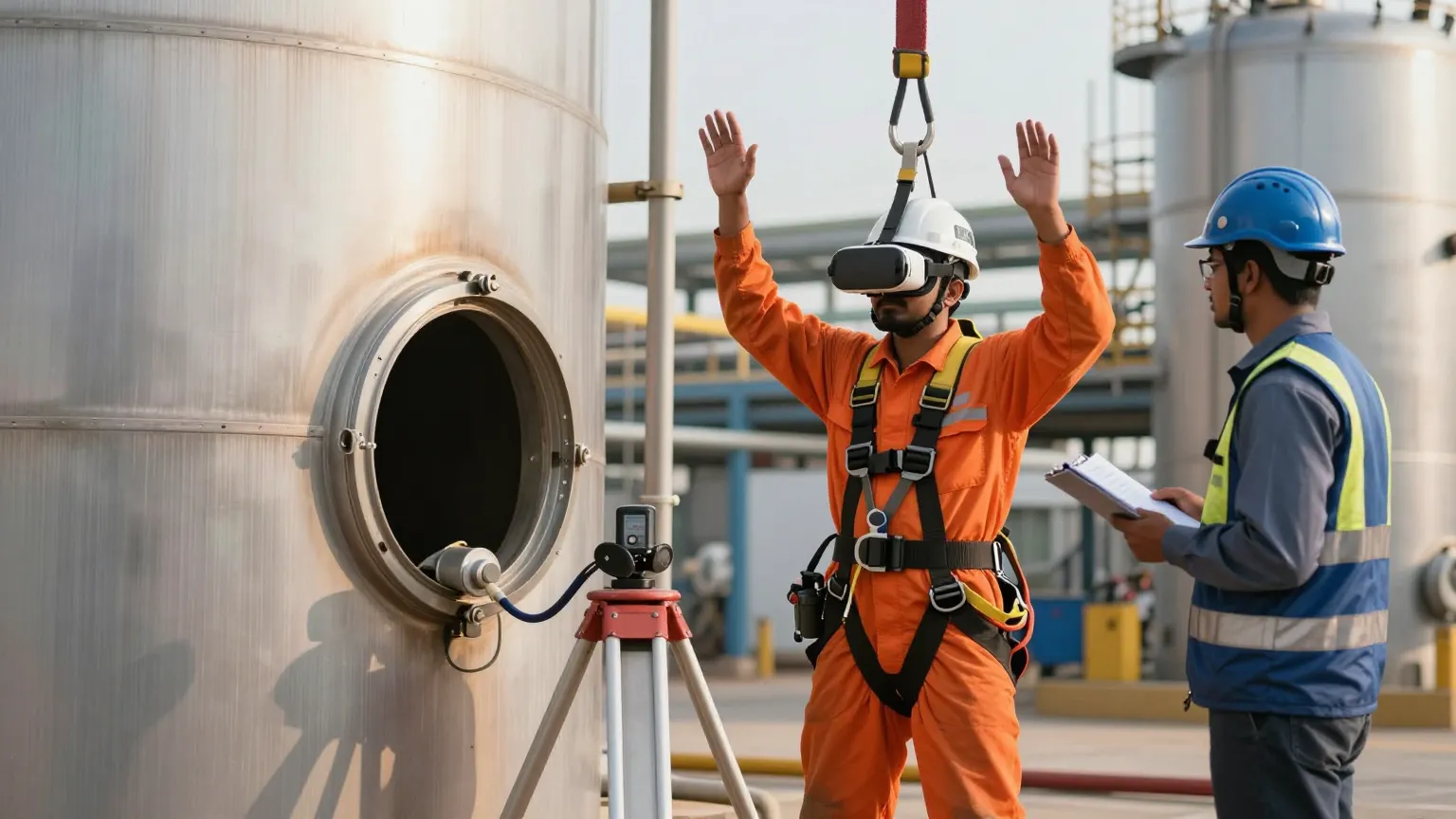
Can VR train Indian workers for confined-space and work-at-height jobs?
Posted on November 5, 2026 by Hemlata Kalsha
Yes, for the decision-making and rescue parts of the job. VR lets workers rehearse gas testing, permit checks, harness anchoring and rescue without entering a live tank; it does not replace the Section 36 certificate or practical assessment.

Do you need fresh consent for the customers already in your CRM under DPDPA?
Posted on November 4, 2026 by Hemlata Kalsha
No, not for contacts who consented when you first collected their data. Section 5(2) of the DPDP Act lets you keep processing pre-Act data after a one-time notice; bought or scraped records need fresh consent or erasure before 13 May 2027.
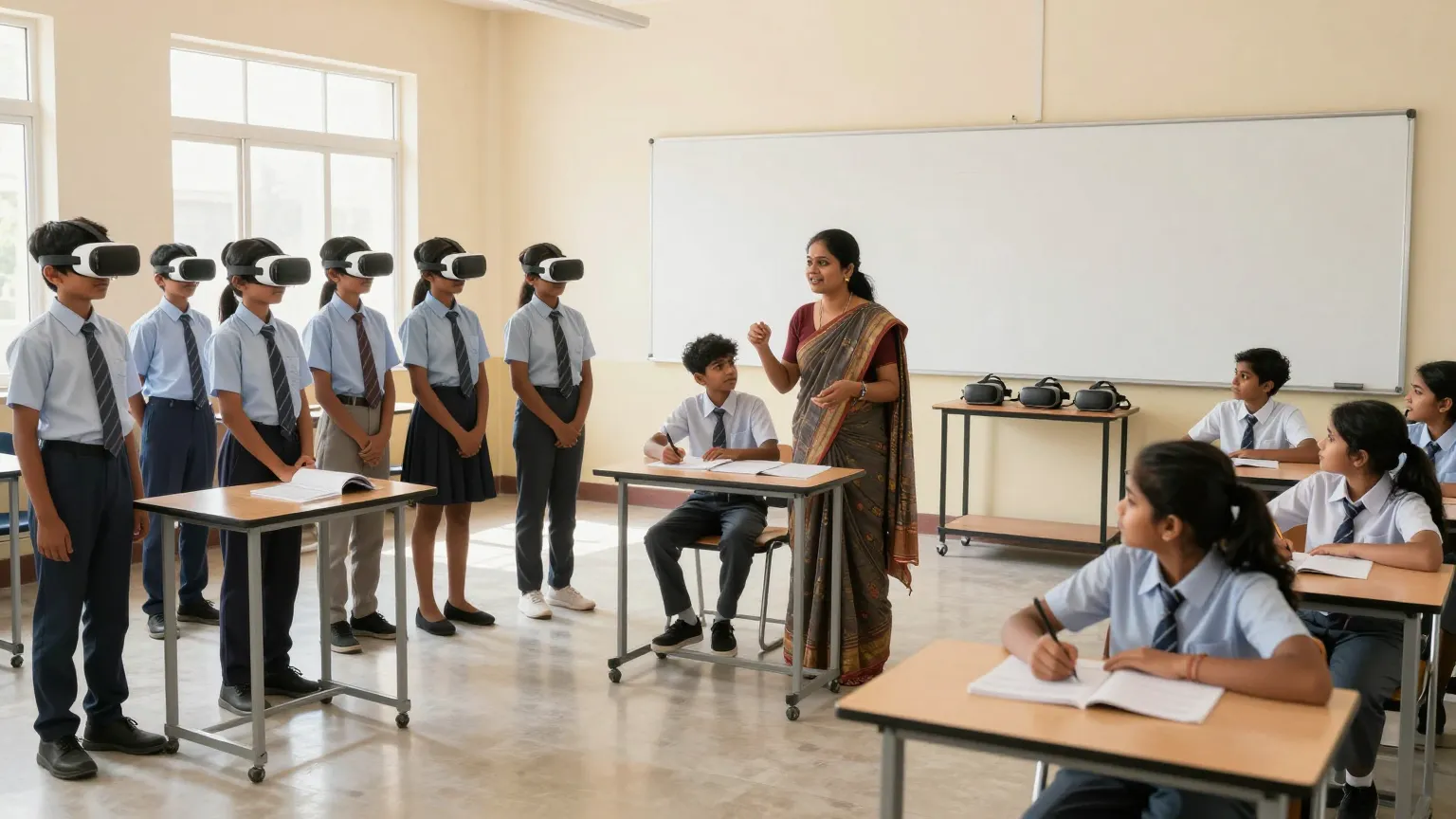
How many VR headsets does a school need for a VR lab?
Posted on November 3, 2026 by Hemlata Kalsha
Between 10 and 22 headsets for most Indian schools, not one per student. Size for the largest group in headsets at once plus 10% spares; a 40-student section on a three-station rotation needs 14.

Does your Indian company need a Data Protection Officer under DPDPA?
Posted on November 2, 2026 by Hemlata Kalsha
Only if the Central Government notifies your company as a Significant Data Fiduciary under Section 10 of the DPDP Act. Every other Data Fiduciary must still publish a named contact and answer grievances within 90 days.

How much does a design thinking workshop cost in India?
Posted on November 1, 2026 by Hemlata Kalsha
Between ₹30,000 and ₹1.5 lakh per day for an expert-led corporate workshop in India, according to 2026 benchmarks; a five-day discovery sprint lands near ₹1.5–7.5 lakh before research add-ons.
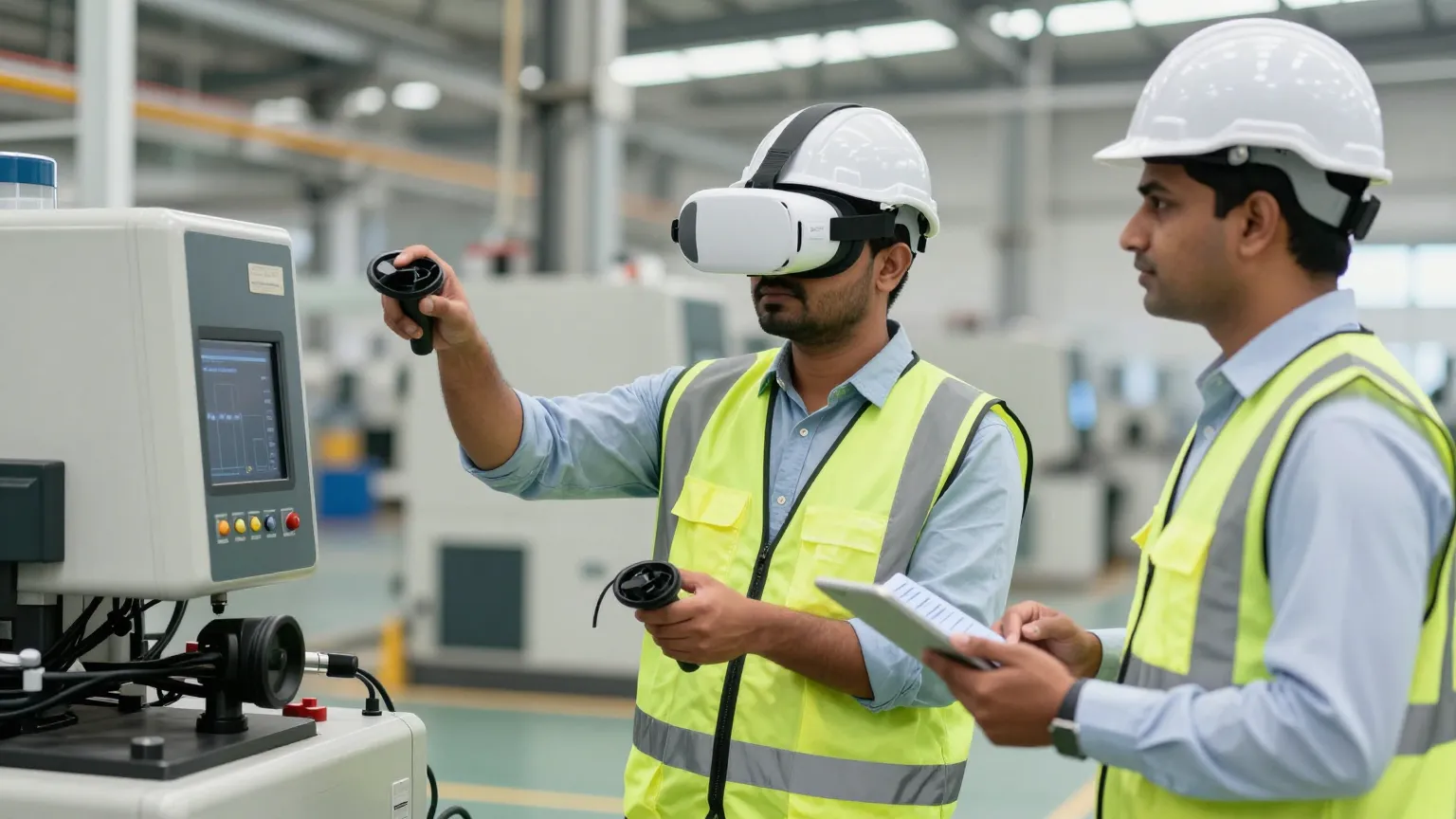
How much does VR safety training cost for an Indian factory?
Posted on October 31, 2026 by Hemlata Kalsha
Between ₹6 lakh and ₹45 lakh per custom module in 2026, plus ₹50,000–70,000 per standalone headset, according to published Indian estimates. Off-the-shelf libraries cost less but fit your procedures less closely.
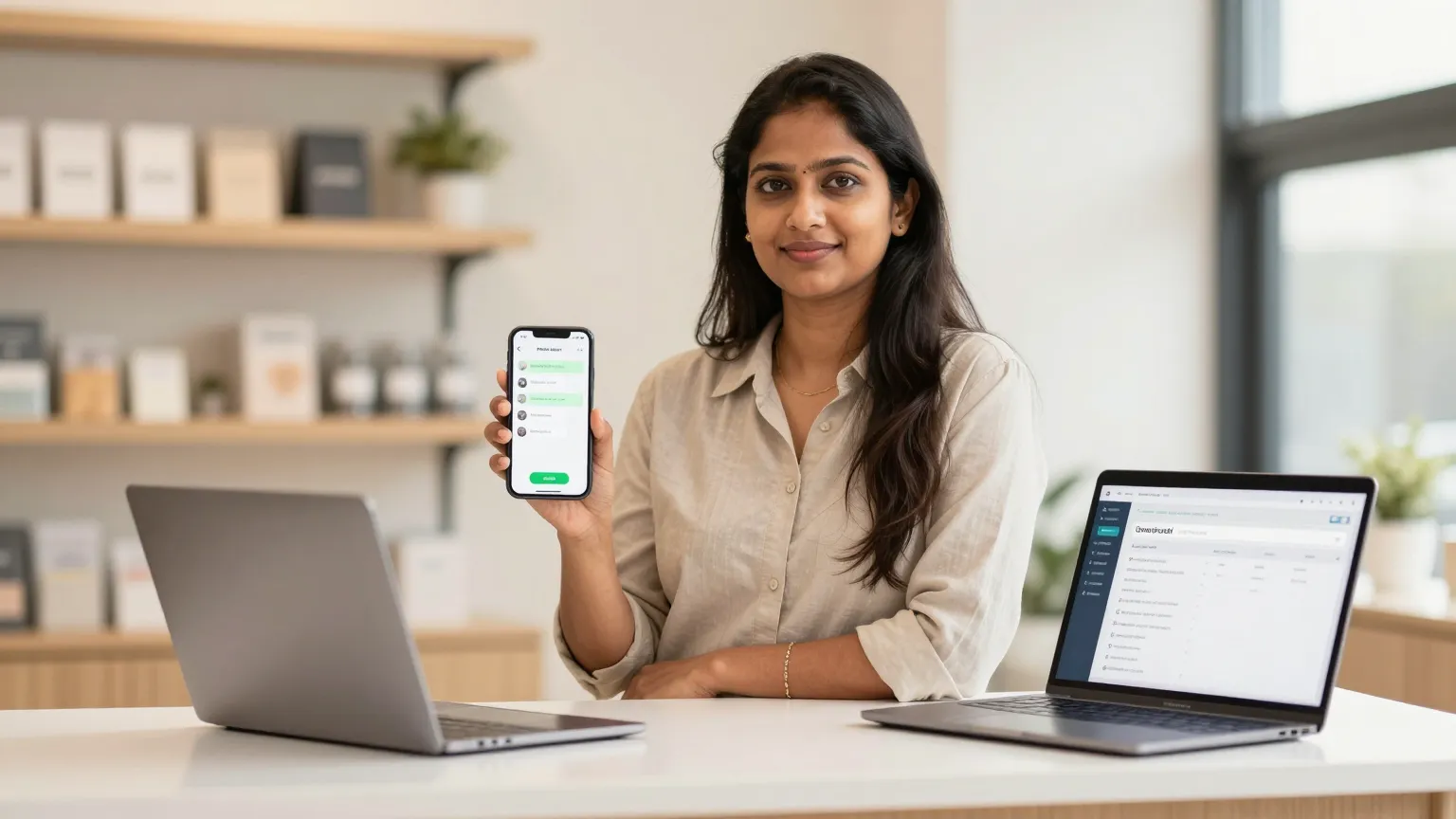
Can Indian businesses still send WhatsApp and SMS marketing under DPDPA?
Posted on October 30, 2026 by Hemlata Kalsha
Yes, but only to people who have given recorded, purpose-specific consent that satisfies both TRAI’s telecom rules and Section 6 of the DPDP Act. DLT registration alone does not prove DPDP consent.
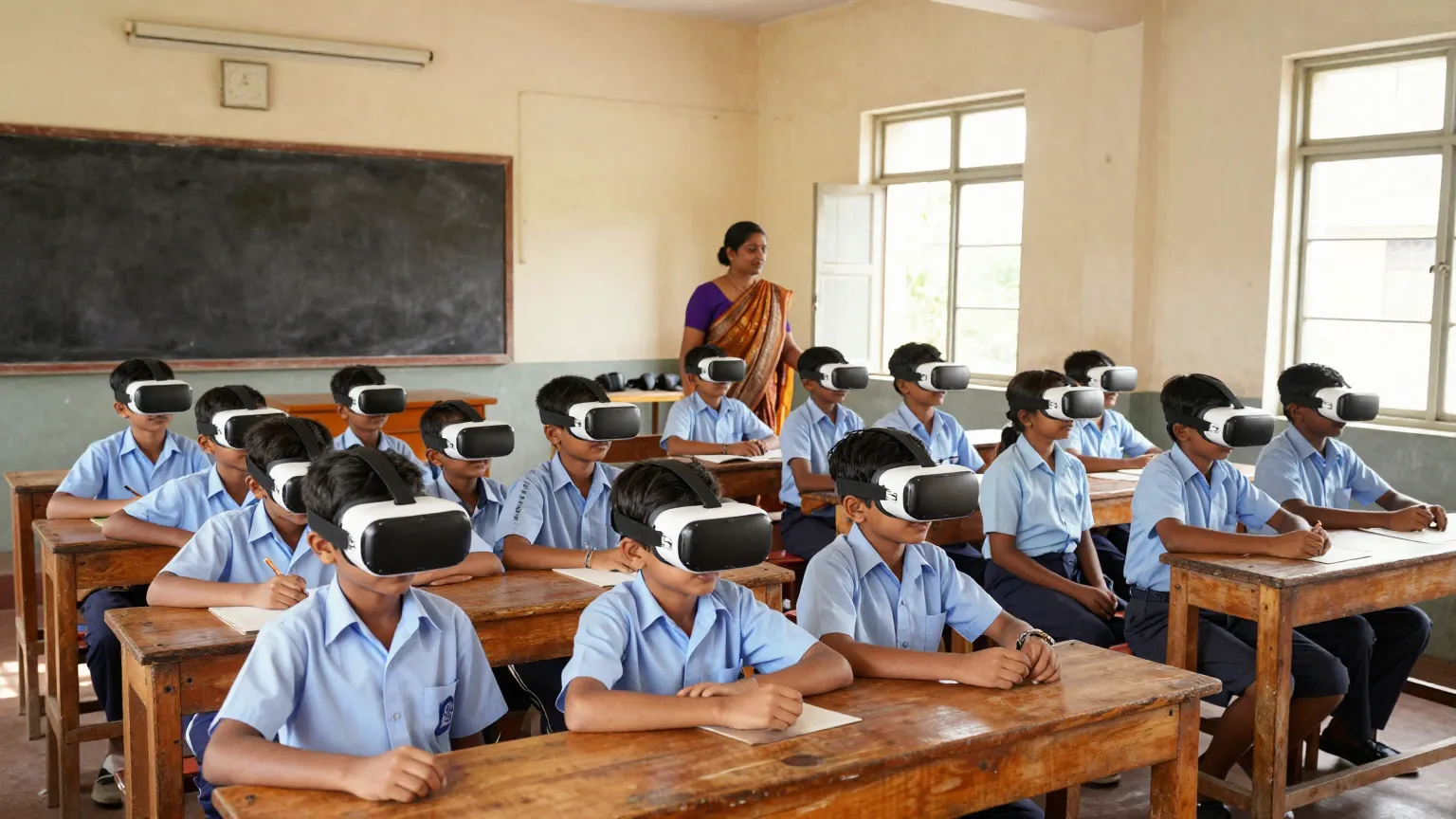
How can an Indian government school pay for a VR lab?
Posted on October 29, 2026 by Hemlata Kalsha
Four routes already exist: the Samagra Shiksha ICT lab grant (₹6.40 lakh plus ₹2.40 lakh a year), PM SHRI school funds, district budgets such as DPC or DMF money, and corporate CSR under Section 135.

How much does DPDPA compliance cost a mid-size Indian company?
Posted on October 28, 2026 by Hemlata Kalsha
Roughly ₹25–75 lakh in year one and ₹15–40 lakh a year after that for a 200–1,000-employee Indian company, based on 2026 published estimates; lean programmes run ₹3–8 lakh.

Can AI replace user research and design thinking for Indian product teams?
Posted on October 24, 2026 by Hemlata Kalsha
No, not yet. AI speeds up research, synthesis and prototyping, but 2026 peer-reviewed comparisons show AI synthetic users flatten variance and are least accurate for non-Western markets like India.
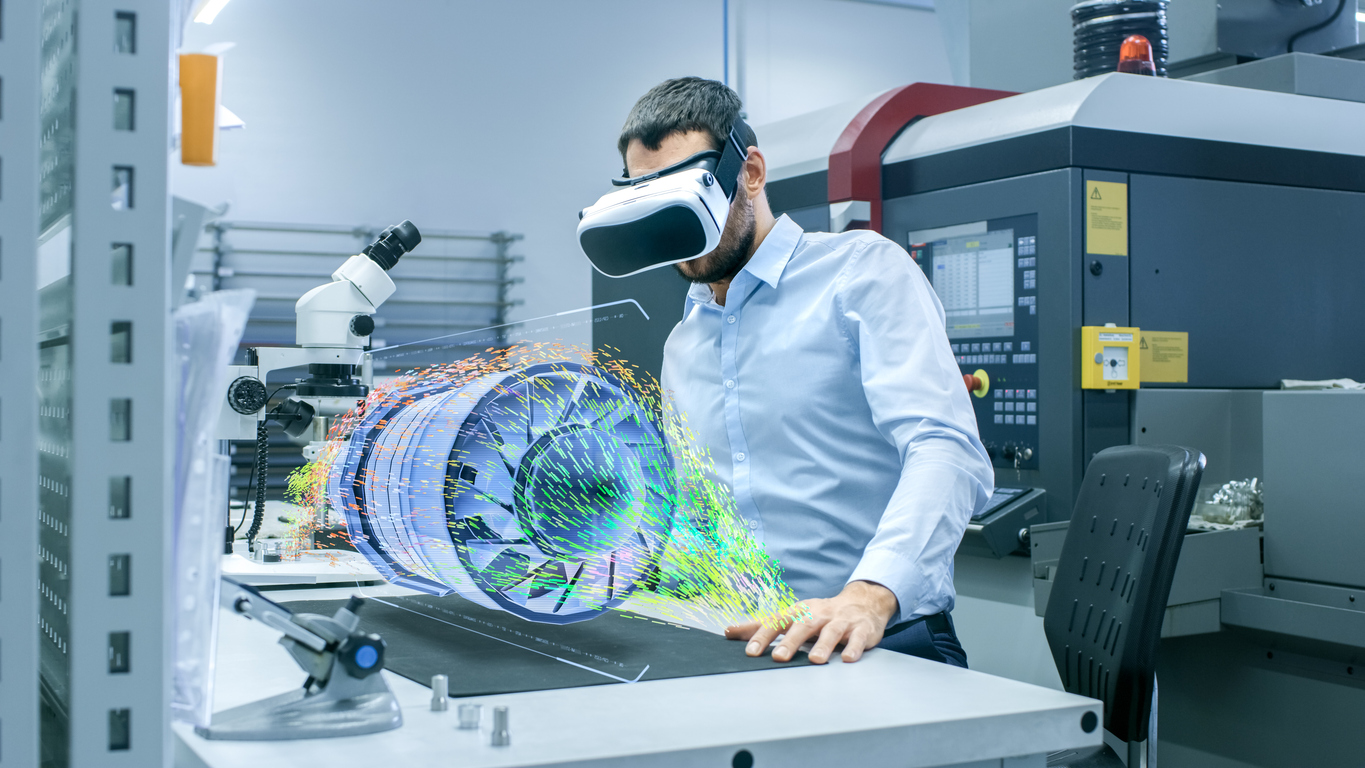
Can VR safety training meet OSH Code requirements for Indian factories?
Posted on October 23, 2026 by Hemlata Kalsha
Partly. The OSH Code and the OSH (Central) Rules, 2026 require worker training, quarterly mock drills and 12-hour reporting but prescribe no training medium, so VR can deliver and evidence training, not replace physical drills.
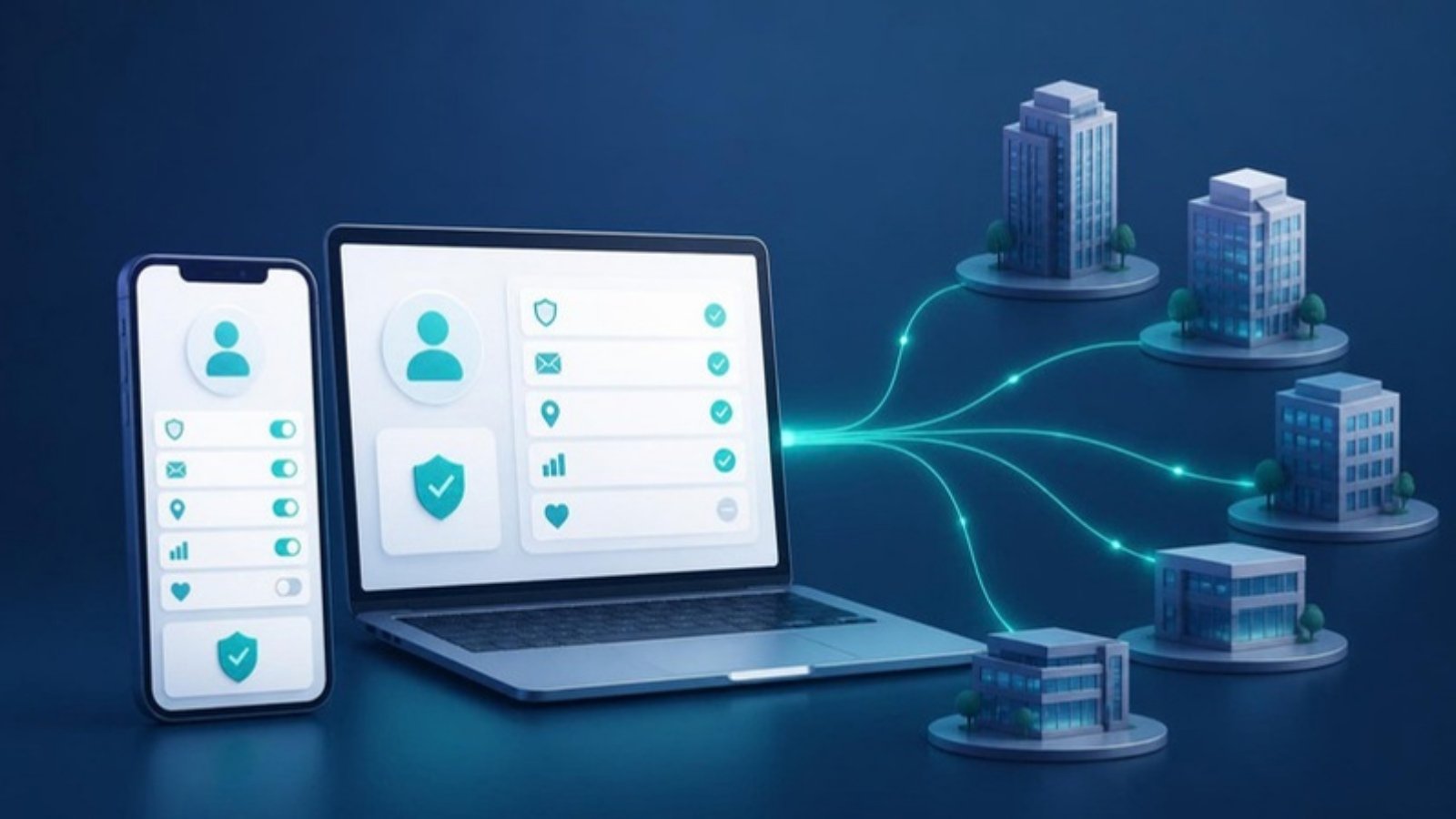
How long can an Indian company keep customer data in its CRM under DPDPA?
Posted on October 22, 2026 by Hemlata Kalsha
Only as long as the purpose is served, unless another Indian law requires longer. Section 8(7) of the DPDP Act requires erasure once the purpose ends or consent is withdrawn; no fixed number of years applies to most companies.