Can Indian sales teams still use purchased lead lists and cold outreach under DPDPA?
October 17, 2026
October 17, 2026
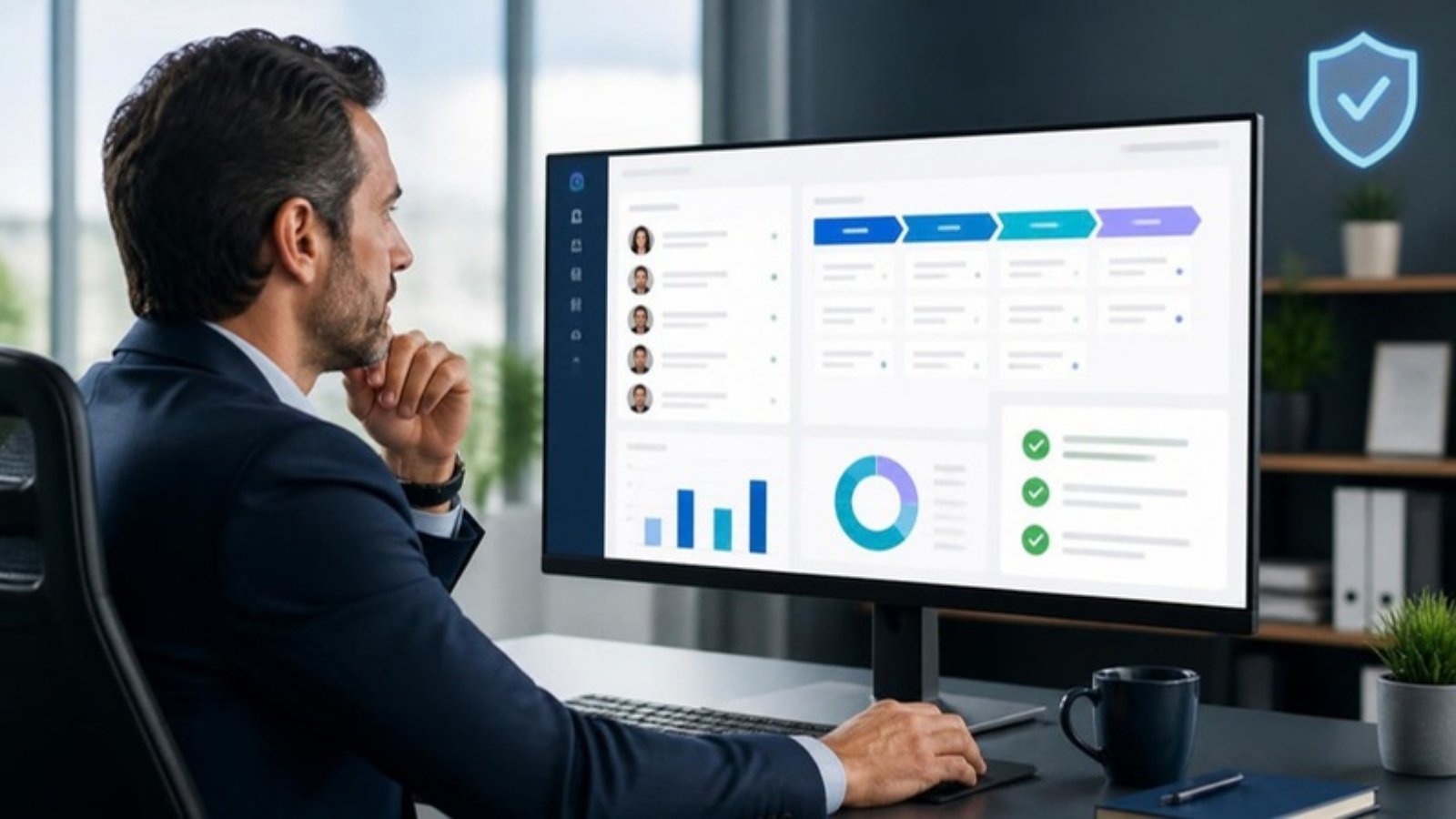
Not the way most teams use them today. The DPDP Act has no exemption for B2B contacts or bought databases. From 13 May 2027, every CRM record needs either the person's consent, given after a Section 5 notice, or a Section 7 "legitimate use" such as details the person handed you voluntarily. A purchased list satisfies neither, so the compliance risk sits with the buyer.
Most Indian B2B sales engines run on a purchased or scraped database, a dialer, a WhatsApp Business account and a CRM. The Digital Personal Data Protection Act, 2023 bans none of those tools. What it changes is the question your CRM must answer for each record: on what basis are we holding this person's data, and can we prove it?
Section 2(t) of the Act defines personal data as any data about an individual who is identifiable by or in relation to it. A name, designation and office email identify a person, so a B2B lead record is personal data. Unlike some marketing regimes abroad, DPDPA draws no line between consumer and business contacts.
One carve-out matters. Section 3(c)(ii) excludes data that the individual has made publicly available themselves. A self-published LinkedIn profile is often cited under this heading. A scraped compilation that adds mobile numbers and personal emails from other sources is a different thing, and the Data Protection Board has not yet ruled on where the line falls.
Section 4 allows processing only with consent (Section 6) or for a "legitimate use" listed in Section 7. For a sales team, that produces four record types with very different footing.
| Lead source | Lawful basis | What the CRM must record |
|---|---|---|
| Inbound: demo form, enquiry, business card at an event | Section 7(a) legitimate use: data voluntarily provided for a specified purpose | Purpose, date, channel; stop when the person says they do not consent |
| Opt-in: newsletter, webinar, gated download | Section 6 consent, preceded by a Section 5 notice | Notice version, purposes, timestamp, language, withdrawal link |
| Existing customer being cross-sold | Section 7(a) covers the original purpose only; a new purpose needs consent | Original purpose; separate consent for upsell campaigns |
| Purchased or scraped list | No basis on a plain reading: the person gave nothing to you, and did not consent to you | Quarantine until consent is obtained or the record is erased |
The fourth row is where the risk lives. A vendor's assurance that "all contacts are opted in" does not transfer consent to you: Section 6 consent is given to a specific Data Fiduciary for a specific purpose. Our eight checks for a DPDPA-ready CRM cover the field-level mechanics; this post is about the sourcing decision before them.
Section 5(2) gives legacy records a bridge. Where a person consented before the Act commenced, the Data Fiduciary must send a notice "as soon as reasonably practicable" and may continue processing until consent is withdrawn. That covers customers and subscribers who opted in under your old privacy policy. It does not cover records that never had consent; there is no grandfathering for a trade-show list bought from a third party in 2019.
No, it adds a second layer. TRAI's Telecom Commercial Communications Customer Preference Regulations, 2018 govern the channel: DLT-registered headers and templates, preference registers and promotional versus transactional traffic. DPDPA governs the data behind the channel. A DLT-approved SMS or WhatsApp template does not make the number lawful to hold, and a prospect who withdraws consent must stop receiving messages within a reasonable time under Section 6(6), however the campaign is routed.
Section 6(1) sets the standard: free, specific, informed, unconditional and unambiguous, with a clear affirmative action, limited to the data necessary for the purpose. Section 6(4) makes withdrawal as easy as giving consent, and Section 8(7) requires erasure once consent is withdrawn or the purpose is served, unless another law requires retention. A single "consent: yes" flag evidences none of this. A PwC India review of 100 Indian enterprise websites, cited by Adgully in September 2026, found only 9% sought consent that was free, specific and informed, and only 48% offered any way to withdraw it. Our guide to consent management under DPDPA explains why spreadsheets will not survive an inspection.
Yes, in small ways. On 5 October 2026 MeitY issued the Digital Personal Data Protection (Removal of Difficulties) Order, 2026 under Section 43(1), correcting the wording of Sections 9(1) and 10(2)(c)(ii). The changes are textual, with no new obligations, but they signal an Act being tidied up for the 13 May 2027 switch-on, not postponed. Consent Manager registration opens on 13 November 2026; see our explainer on Consent Managers versus consent management platforms.
QQCRM, Qodequay's AI CRM accelerator, carries source, purpose and consent evidence on every lead and pushes withdrawals to connected channels. Paired with DAPro (Data Adhikaar), our DPDPA compliance platform with notices in 22 languages, a tamper-evident Evidence Vault and 25+ connectors, it gives a sales organisation a record it can show the Data Protection Board. Qodequay is ISO 27001:2022 certified. Book a 30-minute CRM readiness review.
Yes. Section 2(t) covers any data about an identifiable individual, and a name with a designation and office email identifies a person. The Act contains no business-contact exemption, so B2B lead records in a CRM are personal data and need a lawful basis under Section 4.
Only those with a basis. Section 5(2) lets you keep records where the person consented before the Act commenced, provided you send them a notice as soon as reasonably practicable; they can withdraw at any time. Records with no consent and no legitimate use, such as purchased lists, have no grandfathering.
The Act does not mention cold calling. It regulates the data behind the call: you need consent or a Section 7 legitimate use to hold and use the number. Calling people who gave you their details for that purpose is on firm ground; calling a bought list is not. TRAI's TCCCPR rules on commercial calls apply in parallel.
No. DLT registration of headers and templates satisfies TRAI's channel rules, not DPDPA. The Act asks whether you lawfully hold each recipient's number, gave a Section 5 notice, and can stop processing when consent is withdrawn under Section 6(6). Both regimes must be met for the same campaign.
Continuing to process after withdrawal breaches Section 6(6). The Schedule to the Act sets a ceiling of ₹50 crore per instance for breaches not listed separately, and the Data Protection Board weighs factors such as the nature and duration of the breach and mitigation taken. Penalties for separate instances can add up.
This article is for general information and is not legal advice. Confirm obligations against the official texts of the DPDP Act, 2023 and the DPDP Rules, 2025, and consult qualified counsel for your situation.

I am a founder director at Qodequay Technologies Pvt. Ltd., a leading digital transformation consulting firm that helps clients across industries to innovate, optimize, and grow their businesses. I have over two decades of experience in the digital domain, spanning product development, e-commerce, user experience, design thinking, web and app development, and business leadership. My core competencies include developing and executing digital transformation strategies, building teams globally, roadmaps, and solutions that leverage data, insights, and emerging technologies such as artificial intelligence, augmented reality, blockchain, and immersive experience. I also have expertise in digital commerce, supply chain integration, and product management, having worked with both B2B and B2C brands in various sectors. My mission is to create value for customers and stakeholders by delivering impactful and engaging digital experiences that drive growth and innovation.
October 17, 2026

October 16, 2026

October 15, 2026

October 14, 2026

October 13, 2026
Monthly insights on AI, VR and DPDPA compliance — straight from our team to your inbox.
Free 30-minute consultation with our team — or see our products in action.