DPDPA Penalties Up to ₹250 Crore: The Real Cost of Waiting
July 2, 2026
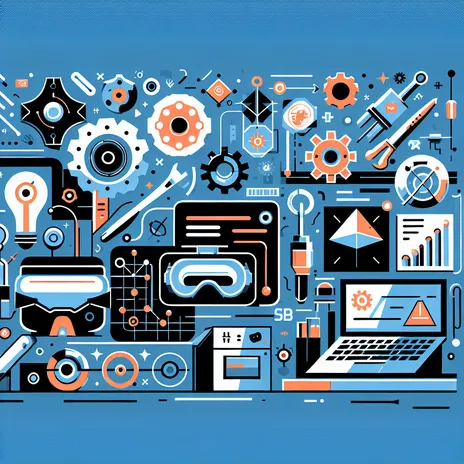
The landscape of industrial training is undergoing a profound transformation, driven by innovative technologies that promise to revolutionize how workforces acquire and hone critical skills. Among these advancements, Mixed Reality (MR) training platforms stand out as a game-changer, offering an immersive and highly effective approach to preparing employees for the complexities of modern industrial environments. Unlike traditional methods that rely on manuals, videos, or costly physical mock-ups, MR training seamlessly blends the digital and physical worlds, allowing trainees to interact with virtual objects and scenarios within their actual workspace. This creates a powerful learning experience that is both engaging and deeply practical, bridging the gap between theoretical knowledge and hands-on application.
Mixed Reality training platforms are rapidly gaining traction across various industrial sectors, from manufacturing and energy to logistics and healthcare. The inherent ability of MR to simulate dangerous, complex, or expensive operations in a safe, controlled, and repeatable virtual environment provides unparalleled advantages. For instance, a technician can practice repairing intricate machinery without risking damage to actual equipment or personal injury, or an assembly line worker can learn new procedures without disrupting ongoing production. This not only accelerates the learning curve but also significantly reduces the costs associated with traditional training, such as travel, equipment wear and tear, and facility downtime.
This comprehensive guide will delve deep into the world of Mixed Reality training platforms for industrial workforces. Readers will gain a thorough understanding of what MR training entails, its core components, and the myriad benefits it offers in today's fast-evolving industrial landscape. We will explore practical implementation strategies, best practices for successful deployment, and common challenges along with their effective solutions. Furthermore, we will look into advanced techniques and cast an eye towards the future of this transformative technology, equipping you with the knowledge to leverage MR for enhanced workforce readiness and operational excellence in 2024 and beyond.
Mixed Reality (MR) training platforms for industrial workforces represent a cutting-edge approach to skill development that merges real-world environments with interactive digital content. Unlike Virtual Reality (VR), which fully immerses users in a simulated world, or Augmented Reality (AR), which overlays digital information onto the real world, MR allows for a dynamic interaction between physical and virtual elements. Trainees wear specialized headsets, such as Microsoft HoloLens or Magic Leap, which project 3D holograms directly into their field of vision, enabling them to see and interact with these virtual objects as if they were physically present in their actual workspace. This creates a powerful sense of presence and allows for highly realistic simulations that are directly relevant to the tasks at hand.
The core concept behind MR training is to provide experiential learning that is safe, scalable, and highly effective. Imagine a new factory worker learning to operate a complex piece of machinery. Instead of simply watching a video or reading a manual, they can put on an MR headset and see a holographic representation of the machine appear in front of them. They can then follow virtual instructions, manipulate virtual controls, and even "disassemble" and "reassemble" components, all while standing in their actual training bay. This hands-on, interactive approach significantly improves knowledge retention and practical skill acquisition compared to passive learning methods. The platform tracks their movements and actions, providing real-time feedback and guidance, ensuring they perform tasks correctly and efficiently.
The importance of MR training platforms in industrial settings cannot be overstated. They address critical needs such as reducing training time, enhancing safety for hazardous operations, improving the accuracy of complex procedures, and ensuring consistency across a global workforce. For example, a global manufacturing company can deploy the same MR training module for a new product assembly line to all its factories worldwide, ensuring standardized procedures and quality. This level of consistency and immersive learning is difficult, if not impossible, to achieve with traditional training methods, making MR a vital tool for modern industrial enterprises striving for operational excellence and a highly skilled workforce.
Mixed Reality training platforms are sophisticated systems built upon several interconnected components that work in harmony to deliver an immersive and effective learning experience. At the heart of the hardware setup are the MR headsets, such as the Microsoft HoloLens 2 or Varjo XR-3, which are self-contained devices equipped with advanced optics, sensors, and processing power. These headsets enable users to see both their physical surroundings and superimposed digital holograms, often supporting hand gestures, voice commands, and eye-tracking for natural interaction. Complementing these headsets, haptic feedback devices like specialized gloves or vests can be integrated to provide tactile sensations, allowing trainees to "feel" virtual objects or the resistance of a virtual tool, further enhancing realism and immersion.
On the software side, the platform relies on 3D content creation tools and simulation engines. These tools are used to design and develop the virtual assets, such as detailed 3D models of machinery, tools, and environments, as well as to script the training scenarios. This often involves importing existing CAD (Computer-Aided Design) models from engineering departments, which can then be optimized for MR. The simulation engine manages the physics, interactions, and logic of the training environment, ensuring that virtual objects behave realistically and that the training flow progresses according to predefined learning objectives. These engines also handle the tracking of user performance, recording metrics like task completion time, error rates, and adherence to safety protocols.
Finally, learning management systems (LMS) integration and analytics dashboards are crucial components for managing and evaluating the training programs. The LMS integration allows for seamless assignment of modules, tracking of trainee progress, and certification. The analytics dashboards provide valuable insights into individual and group performance, identifying common errors, areas where trainees struggle, and overall effectiveness of the training content. This data-driven approach enables continuous improvement of the training modules and personalized learning paths, ensuring that the platform remains highly effective and adaptable to evolving training needs.
The adoption of Mixed Reality training platforms brings a multitude of core benefits to industrial workforces, fundamentally transforming how skills are acquired and maintained. One of the most significant advantages is enhanced safety. Trainees can practice hazardous procedures, such as working with high-voltage equipment, handling dangerous chemicals, or operating heavy machinery, in a completely risk-free virtual environment. This eliminates the potential for accidents, injuries, or damage to expensive equipment during the learning phase, protecting both personnel and assets. For example, a new welder can practice complex welds on a virtual pipe without exposure to sparks, fumes, or extreme heat, perfecting their technique before touching real materials.
Another critical benefit is cost reduction and efficiency. Traditional industrial training often involves significant expenses related to travel, accommodation, physical mock-ups, raw materials, and instructor time. MR platforms drastically cut these costs by allowing training to occur on-site or remotely, reducing the need for physical prototypes and consumable materials. Furthermore, the ability to repeat simulations endlessly without incurring additional material costs means trainees can practice until mastery is achieved. This also leads to faster onboarding and skill acquisition, as the immersive and interactive nature of MR accelerates the learning curve, getting new hires productive much quicker than conventional methods. Companies can see a significant reduction in the time it takes for new employees to become proficient in their roles.
Beyond safety and cost, MR training significantly improves knowledge retention and transfer. The highly engaging and experiential nature of interacting with 3D holograms in a real-world context creates stronger memory pathways compared to passive learning. Trainees are actively involved in problem-solving and decision-making, which reinforces learning. For instance, an engineer learning a new assembly process will remember the sequence and spatial relationships much better by physically "performing" the assembly in MR than by simply watching a video. This leads to a higher rate of successful skill application in actual work scenarios. Finally, MR platforms offer unparalleled scalability and consistency. Training modules can be easily replicated and deployed across multiple sites globally, ensuring that every employee receives the exact same high-quality instruction, regardless of their location, fostering a standardized and highly competent workforce.
In 2024, Mixed Reality training platforms are not just a novel technology but a strategic imperative for industrial workforces facing unprecedented challenges and opportunities. The rapid pace of technological advancement, characterized by automation, IoT, and AI integration, means that industrial roles are constantly evolving, requiring continuous upskilling and reskilling. Traditional training methods struggle to keep pace with these changes, often being too slow, expensive, or ineffective for complex, dynamic environments. MR platforms offer the agility and depth needed to train workforces on new machinery, software interfaces, and intricate procedures with speed and precision, ensuring that employees remain competent and adaptable in an ever-changing operational landscape.
Furthermore, the global talent shortage, particularly in skilled trades and technical roles, makes effective and efficient training solutions more critical than ever. Companies are competing fiercely for talent, and once secured, retaining and developing that talent is paramount. MR training platforms provide an attractive, engaging, and modern learning experience that can appeal to a younger, digitally native workforce, enhancing recruitment and retention efforts. It demonstrates a company's commitment to innovation and employee development. Moreover, the lingering effects of global disruptions, such as supply chain issues and remote work trends, highlight the need for flexible training solutions that can be deployed anywhere, anytime, without relying on physical presence or extensive travel, a capability where MR truly excels.
The increasing complexity of industrial operations, coupled with stringent safety regulations, further underscores the importance of MR training. Errors in industrial settings can have catastrophic consequences, leading to injuries, fatalities, environmental damage, and massive financial losses. MR provides a safe sandbox for employees to make mistakes, learn from them, and perfect their skills before ever stepping into a high-stakes real-world scenario. This proactive approach to safety and quality assurance is invaluable. By offering a highly realistic and interactive training environment, MR platforms empower industrial workforces to master complex tasks, adhere to strict protocols, and operate with a higher degree of confidence and competence, directly contributing to operational resilience and competitive advantage in 2024.
The market impact of Mixed Reality training platforms on industrial sectors in 2024 is profound and multifaceted, reshaping how businesses approach workforce development and operational efficiency. One of the most significant impacts is the democratization of advanced training. Previously, specialized training for complex machinery or niche processes might have been restricted to a few experts or required expensive, dedicated facilities. MR platforms make this high-fidelity training accessible to a broader segment of the workforce, regardless of geographical location. This leads to a more uniformly skilled and capable employee base, reducing reliance on a small number of highly specialized individuals and mitigating risks associated with knowledge silos.
Moreover, MR training is driving a shift in capital expenditure allocation. Instead of investing heavily in physical training equipment, mock-ups, or sending employees to distant training centers, companies can now allocate resources towards developing robust MR content and acquiring scalable hardware. This shift can lead to long-term cost savings and a more agile response to new training needs. For example, a company introducing a new robot to its assembly line can develop an MR module for programming and maintenance, distributing it instantly to all relevant technicians without purchasing multiple physical robots for training purposes. This flexibility allows businesses to adapt faster to market demands and technological shifts.
Finally, the adoption of MR training is fostering innovation within the industrial technology ecosystem. It is creating new opportunities for software developers specializing in 3D modeling, simulation, and instructional design, as well as for hardware manufacturers pushing the boundaries of MR headset capabilities. This symbiotic relationship accelerates the development of even more sophisticated and user-friendly platforms. Companies that embrace MR training are not only improving their internal capabilities but also positioning themselves as leaders in digital transformation, attracting top talent and setting new benchmarks for operational excellence in a competitive global market.
The future relevance of Mixed Reality training platforms for industrial workforces is not merely assured but poised for exponential growth and integration into the very fabric of industrial operations. As industries continue their journey towards Industry 4.0 and beyond, characterized by hyper-connectivity, automation, and data-driven decision-making, the need for a highly skilled, adaptable, and digitally fluent workforce will only intensify. MR training platforms are uniquely positioned to meet this demand by providing a dynamic learning environment that can evolve alongside technological advancements, ensuring that workers are always equipped with the latest skills required to interact with smart factories, autonomous systems, and advanced robotics.
One key aspect of its future relevance lies in its potential for integration with Digital Twins. A digital twin is a virtual replica of a physical asset, process, or system. In the future, MR training platforms will likely connect directly to these digital twins, allowing workers to train on real-time data from actual operational equipment. Imagine a maintenance technician using an MR headset to diagnose a virtual fault on a digital twin of a live machine, seeing real-time performance data overlaid, and then practicing the repair steps in MR before performing them on the physical asset. This level of predictive and prescriptive training will minimize downtime, prevent costly errors, and optimize maintenance schedules, making training an integral part of operational continuity.
Furthermore, advancements in MR hardware will lead to lighter, more comfortable headsets with wider fields of view, higher resolution, and more intuitive interaction methods, making the experience even more seamless and natural. The development of AI-powered adaptive learning algorithms will personalize training paths, identifying individual strengths and weaknesses and tailoring content to maximize learning efficiency. This will move beyond standardized modules to truly individualized development plans, ensuring every worker achieves mastery at their own pace. As the cost of MR technology decreases and content creation becomes more streamlined, these platforms will become an indispensable tool for every industrial enterprise seeking to maintain a competitive edge, foster innovation, and cultivate a highly resilient and skilled workforce for decades to come.
Embarking on the journey of implementing Mixed Reality training platforms for an industrial workforce requires a structured approach, moving from initial assessment to pilot deployment and eventual scaling. The first crucial step is to identify specific training needs and pain points within your organization. This involves conducting a thorough analysis of current training programs, identifying areas where traditional methods fall short, where safety risks are high, or where skill gaps are most pronounced. For instance, if a manufacturing plant frequently experiences errors during a complex assembly process, or if new technicians struggle with diagnosing specific machine faults, these become prime candidates for MR training. Clearly defining these objectives will guide the selection of appropriate technology and content development.
Once training needs are identified, the next step involves selecting the right MR hardware and software ecosystem. This decision depends heavily on the specific use cases and budget. Research available MR headsets, considering factors like field of view, comfort, battery life, processing power, and cost. Simultaneously, evaluate MR development platforms and content creation tools. Some companies might opt for off-the-shelf solutions for common tasks, while others may require custom-developed content. It's often beneficial to partner with an experienced MR solution provider who can offer guidance on hardware, software, and content development, ensuring the chosen platform aligns with your organizational goals and technical capabilities.
With hardware and software in place, the focus shifts to content creation and pilot program development. Start by creating a single, well-defined training module for a critical task identified in the initial assessment. This involves converting existing training materials, CAD models, and procedural guides into interactive 3D MR experiences. Once the content is ready, implement a pilot program with a small group of representative trainees. Gather extensive feedback on the user experience, learning effectiveness, and technical performance. This iterative process of testing, refining, and re-testing is vital for optimizing the platform and ensuring it meets the practical needs of your workforce before a wider rollout. The success of this pilot will lay the groundwork for a scalable and impactful MR training initiative.
Before diving into the implementation of Mixed Reality training platforms, several key prerequisites need to be addressed to ensure a smooth and successful deployment. First and foremost, a clear definition of training objectives and target audience is essential. You must know precisely what skills you aim to impart, which procedures need to be learned, and who the primary users of the platform will be (e.g., new hires, experienced technicians, safety officers). Without clear objectives, content development can become unfocused and the platform's effectiveness difficult to measure.
Secondly, technical infrastructure readiness is a critical prerequisite. While many MR headsets are self-contained, robust Wi-Fi connectivity is often required for content downloads, updates, and data synchronization. For more complex setups or collaborative training, a stable network infrastructure capable of handling significant data traffic is necessary. Furthermore, access to relevant 3D assets and technical documentation, such as CAD models of machinery, equipment schematics, and existing standard operating procedures (SOPs), is crucial for efficient content creation. Leveraging these existing assets can significantly reduce development time and costs.
Finally, organizational buy-in and a dedicated project team are indispensable. Successful MR implementation requires support from leadership, IT, training departments, and the end-users themselves. A cross-functional project team, including subject matter experts, instructional designers, and IT specialists, should be established to oversee the entire process, from planning and content development to deployment and ongoing support. This team will be responsible for championing the initiative, managing resources, and addressing any challenges that arise, ensuring that the MR training platform is effectively integrated into the company's broader training strategy.
Implementing a Mixed Reality training platform for an industrial workforce involves a systematic, phased approach to ensure maximum effectiveness and return on investment.
Step 1: Needs Assessment and Goal Definition. Begin by conducting a thorough analysis of current training gaps, high-risk procedures, and areas where efficiency can be improved. Engage with frontline workers, supervisors, and safety officers to identify specific tasks or skills that would benefit most from immersive MR training. Define clear, measurable learning objectives for each proposed MR module, such as "reduce assembly errors by 15%" or "decrease machine downtime due to incorrect maintenance by 20%."
Step 2: Technology Selection and Partner Engagement. Based on your defined needs and budget, research and select appropriate MR hardware (e.g., HoloLens 2, Varjo XR-3) and software platforms. Consider factors like field of view, comfort, interaction methods, and compatibility with existing systems. For content development and platform integration, consider partnering with an experienced MR solution provider like Qodequay, especially if in-house expertise is limited. They can guide you through the complexities of content creation and system deployment.
Step 3: Content Development and Instructional Design. This is where the training scenarios come to life. Convert existing technical documentation, CAD models, and procedural guides into interactive 3D MR experiences. Work closely with subject matter experts to ensure accuracy and realism. Instructional designers will structure the learning modules, incorporating elements like guided walkthroughs, interactive quizzes, performance tracking, and immediate feedback mechanisms. Start with a single, high-impact module for your pilot program.
Step 4: Pilot Program and User Feedback. Deploy the initial MR training module to a small, diverse group of target users. This pilot phase is crucial for gathering qualitative and quantitative feedback. Observe how trainees interact with the platform, identify any usability issues, technical glitches, or areas where the content could be improved. Collect data on learning outcomes, completion times, and user satisfaction.
Step 5: Iteration and Refinement. Based on the feedback from the pilot program, refine the MR content, adjust the instructional design, and address any technical issues. This iterative process ensures that the training platform is optimized for effectiveness and user experience. It might involve tweaking 3D models, clarifying instructions, or improving interaction gestures.
Step 6: Scaled Deployment and Integration. Once the pilot module is proven effective and refined, plan for a broader rollout across your organization. This involves training instructors, establishing support protocols, and integrating the MR platform with your existing Learning Management System (LMS) for seamless tracking and administration. Develop a deployment strategy that considers hardware distribution, software updates, and user onboarding.
Step 7: Continuous Monitoring and Evaluation. MR training is not a one-time implementation. Continuously monitor the performance of the platform, track key metrics (e.g., skill proficiency, error rates, safety incidents), and gather ongoing feedback from users. Regularly update content to reflect new equipment, procedures, or safety regulations. This continuous improvement cycle ensures the MR training platform remains relevant, effective, and a valuable asset to your industrial workforce.
To maximize the impact and return on investment of Mixed Reality training platforms, adhering to best practices is crucial. One fundamental best practice is to start small and scale strategically. Instead of attempting a massive, organization-wide rollout from day one, identify a specific, high-impact training need and develop a pilot program around it. This allows your organization to learn, iterate, and refine its approach with minimal risk. For example, begin with a single module for a critical maintenance procedure on one type of machine, gather feedback, and then expand to other procedures or equipment. This phased approach builds internal expertise and confidence, paving the way for successful broader adoption.
Another essential best practice is to prioritize user experience and instructional design. Even the most advanced technology will fail if it's not intuitive and engaging for the end-user. Ensure that the MR training content is clear, concise, and directly relevant to the tasks trainees will perform. Use realistic 3D models, provide clear holographic instructions, and incorporate interactive elements that encourage active learning. The instructional design should follow established pedagogical principles, breaking down complex tasks into manageable steps and providing immediate, constructive feedback. Regularly solicit feedback from trainees and incorporate their suggestions to continuously improve the user experience and the effectiveness of the training modules.
Finally, integrate MR training with existing workflows and data systems. For MR training to be truly transformative, it shouldn't exist in a silo. Connect it with your Learning Management System (LMS) to track progress, certifications, and performance data seamlessly. Explore integration with enterprise resource planning (ERP) systems or digital twin platforms to leverage real-time operational data for more dynamic and relevant training scenarios. This integration not only streamlines administrative tasks but also provides valuable analytics that can demonstrate the tangible impact of MR training on operational efficiency, safety, and overall workforce competence. A well-integrated platform becomes a powerful tool for continuous improvement and strategic workforce development.
While formal, universally adopted industry standards specifically for Mixed Reality training platforms are still evolving, several best practices have emerged as de facto standards, guiding effective implementation and content creation. One key standard revolves around interoperability and data exchange. As MR platforms become more prevalent, the ability to import and export 3D models, training data, and user performance metrics across different hardware and software ecosystems is paramount. Adhering to open standards for 3D model formats (e.g., glTF, FBX) and data protocols ensures flexibility and avoids vendor lock-in, allowing companies to leverage existing assets and integrate with various analytics tools.
Another emerging industry standard focuses on content quality and realism. For industrial training, the accuracy and fidelity of 3D models and simulations are critical. Training content should strive for photorealism where necessary, and always maintain functional accuracy, ensuring that virtual components behave exactly as their physical counterparts. This includes precise scaling, accurate physics simulations, and realistic material properties. Furthermore, safety protocols and ergonomic considerations within the virtual environment are becoming standard. Training scenarios should not only teach safe procedures but also model safe behaviors, and the MR experience itself should be designed to minimize user discomfort or motion sickness, ensuring a positive and productive learning environment.
Finally, performance tracking and analytics are increasingly recognized as essential industry standards for MR training platforms. Robust systems for capturing detailed data on trainee actions, errors, completion times, and decision-making processes are crucial. This data should be presented through intuitive dashboards, allowing trainers and managers to identify skill gaps, measure training effectiveness, and personalize learning paths. The ability to demonstrate a clear return on investment through quantifiable metrics is becoming a benchmark for successful MR training deployments, driving continuous improvement and justifying further investment in the technology.
Industry experts consistently emphasize several key recommendations for organizations looking to successfully implement Mixed Reality training platforms for their industrial workforces. A primary recommendation is to prioritize a human-centered design approach. While the technology is impressive, the ultimate goal is to empower human workers. This means involving end-users (the trainees) throughout the development process, from initial concept to pilot testing. Their feedback is invaluable for ensuring the training is intuitive, comfortable, and directly addresses their real-world challenges. Designing for ease of use, minimizing cognitive load, and creating engaging, relevant scenarios will significantly boost adoption and learning outcomes.
Another expert recommendation is to leverage existing digital assets strategically. Many industrial companies already possess a wealth of 3D CAD models, engineering schematics, and operational data. Instead of building everything from scratch, experts advise optimizing and repurposing these existing assets for MR content creation. This not only accelerates development time and reduces costs but also ensures that the training content is highly accurate and directly relevant to the company's specific equipment and processes. For instance, a detailed CAD model of a pump can be directly imported and animated for a maintenance training module, saving countless hours of manual 3D modeling.
Furthermore, experts strongly advise establishing clear metrics for success and continuously measuring impact. Before deployment, define what success looks like – whether it's reduced training time, fewer errors on the job, improved safety records, or faster onboarding. Implement robust analytics within the MR platform and integrate it with your existing data systems to track these metrics. Regularly review the data to assess the effectiveness of the training, identify areas for improvement, and demonstrate the tangible value of the MR investment to stakeholders. This data-driven approach ensures that the platform evolves to meet organizational needs and delivers a measurable return on investment, solidifying its role as a vital tool for workforce development.
While Mixed Reality training platforms offer immense potential, their implementation in industrial settings is not without its challenges. One of the most frequently encountered problems is the high initial investment cost. Acquiring MR headsets, developing custom content, and integrating the platform with existing IT infrastructure can represent a significant upfront financial commitment. This cost can be a barrier for smaller companies or those with limited budgets, making it difficult to justify the expenditure without a clear, demonstrable return on investment. The specialized hardware and the expertise required for 3D content creation contribute significantly to this initial hurdle.
Another common issue is the complexity of content creation and maintenance. Developing high-fidelity, interactive 3D training modules requires specialized skills in 3D modeling, animation, game engine development (like Unity or Unreal Engine), and instructional design. Many industrial organizations lack this in-house expertise, necessitating reliance on external vendors, which adds to both cost and project management complexity. Furthermore, industrial environments are dynamic; equipment changes, procedures evolve, and new safety regulations emerge. Keeping MR training content updated to reflect these changes can be a continuous and resource-intensive challenge, potentially leading to outdated or irrelevant training materials if not managed effectively.
Finally, user adoption and technical glitches can pose significant hurdles. While MR technology is engaging, some users, particularly those less familiar with advanced digital tools, might experience a learning curve with the headsets and interaction methods. Issues like motion sickness, discomfort from prolonged wear, or difficulty with gesture controls can impede adoption. On the technical front, connectivity issues, software bugs, or hardware malfunctions can disrupt training sessions, leading to frustration and undermining confidence in the platform. Ensuring a seamless and reliable user experience is critical for widespread acceptance and effective learning, and these technical challenges often require dedicated IT support and robust troubleshooting protocols.
When implementing Mixed Reality training platforms in industrial environments, several issues tend to surface repeatedly, impacting efficiency and user satisfaction.
Understanding the root causes behind these frequent issues is crucial for developing effective solutions. The high cost stems from the nascent stage of MR technology, where specialized components and limited economies of scale keep hardware prices elevated. For content, the complexity of creating realistic 3D assets and interactive simulations from scratch, often requiring highly skilled professionals, drives up development expenses. This also directly contributes to the lack of in-house expertise, as the specific skill sets needed for MR development are not yet widely available in traditional industrial workforces, necessitating external partnerships or significant investment in new hires and training.
Content obsolescence is rooted in the dynamic nature of industrial operations. Manufacturing processes, equipment models, and safety regulations are subject to continuous updates. If the content creation and update pipeline is not robust and agile, training materials quickly become outdated. This problem is exacerbated when content development is outsourced, as the feedback loop for changes can be slower and more cumbersome. The challenge of user comfort and adoption often arises from the novelty of the technology itself. While MR is powerful, it introduces new physical and cognitive demands. Poorly designed user interfaces, heavy headsets, or a lack of proper onboarding and support can lead to discomfort and resistance, especially among workers accustomed to traditional training methods.
Finally, technical integration and connectivity issues are often a consequence of legacy IT infrastructures and the inherent demands of real-time, high-bandwidth MR applications. Many industrial facilities were not designed with pervasive, high-speed wireless connectivity in mind, leading to dead zones or insufficient bandwidth. Integrating new MR platforms with disparate, older enterprise systems can be a complex undertaking, requiring significant IT resources and expertise to ensure seamless data flow and reliable operation, highlighting the need for careful planning and robust network upgrades.
Addressing the common challenges associated with Mixed Reality training platforms requires a strategic and multi-faceted approach, combining immediate fixes with long-term solutions. To tackle the high initial investment cost, organizations should start with a focused pilot program. Instead of a full-scale deployment, select a single, high-impact training scenario that offers a clear and measurable return on investment (ROI), such as reducing safety incidents or significantly cutting training time for a critical task. This allows for a smaller initial investment, demonstrates value to stakeholders, and builds a strong business case for future expansion. Exploring grant opportunities, government incentives for technology adoption, or leasing hardware options can also help mitigate upfront financial burdens.
For the complexity of content creation and maintenance, a key solution is to leverage existing digital assets and partner with specialized MR development firms. Many industrial companies already have detailed CAD models of their equipment; these can be optimized and repurposed for MR training, significantly reducing development time and cost compared to building models from scratch. Collaborating with an experienced MR solution provider can bridge the in-house expertise gap, ensuring high-quality content is developed efficiently. For ongoing content maintenance, establish a clear process for updates, involving subject matter experts and a dedicated content management team. Utilizing modular content design allows for easier updates to specific sections without redeveloping entire modules.
To overcome user adoption and technical glitches, a strong emphasis on user onboarding, support, and iterative design is crucial. Provide comprehensive training for users on how to operate the MR headsets and interact with the virtual environment, addressing any initial discomfort or confusion. Offer readily available technical support to quickly resolve any hardware or software issues, minimizing downtime and frustration. Regularly collect user feedback and use it to refine the training modules, making them more intuitive, comfortable, and engaging. For technical integration, conduct thorough network assessments, invest in robust Wi-Fi infrastructure, and work closely with IT to ensure seamless integration with existing systems. Phased rollouts can also help identify and resolve technical issues in a controlled environment before widespread deployment.
When immediate issues arise with Mixed Reality training platforms, several quick fixes can help maintain continuity and user satisfaction.
For sustainable success with Mixed Reality training platforms, long-term solutions are essential to address root causes and ensure ongoing effectiveness.
Moving beyond basic implementation, expert-level Mixed Reality training platforms leverage sophisticated techniques to unlock even greater value for industrial workforces. One such advanced methodology is the integration of AI-driven adaptive learning paths. Instead of a one-size-fits-all approach, AI algorithms analyze a trainee's performance in real-time – tracking errors, hesitation, and efficiency – and dynamically adjust the training content, difficulty, and pace. For example, if a technician consistently struggles with a specific diagnostic step, the AI can automatically provide additional holographic guidance, repeat the section, or offer alternative explanations, ensuring personalized mastery. This optimizes learning efficiency, reduces training time for proficient individuals, and provides targeted support for those who need it most, leading to higher overall skill acquisition rates.
Another sophisticated technique involves multi-user collaborative MR training. This allows multiple trainees, potentially in different physical locations, to interact within the same shared holographic environment. Imagine a team of engineers from different global sites collaborating on a virtual prototype assembly or troubleshooting a complex virtual machine together. Each participant sees the same holograms, interacts with them, and observes the actions of their colleagues in real-time. This fosters teamwork, communication, and problem-solving skills in a highly realistic and immersive setting, which is invaluable for complex industrial projects that inherently require collaboration. It also enables expert trainers to remotely guide multiple trainees simultaneously, providing real-time feedback and demonstrations without physical presence.
Furthermore, advanced MR platforms are integrating real-time data from IoT sensors and digital twins. This means that training scenarios can be dynamically updated with live operational data from actual machinery or processes. For instance, a maintenance training module could simulate a fault based on real-time sensor readings from a factory floor, allowing technicians to practice diagnosing and resolving issues under conditions that mirror current operational realities. This level of realism and data integration moves training beyond theoretical exercises to highly practical, predictive, and responsive skill development, preparing workers not just for general tasks but for the specific, evolving challenges of their actual work environment, thereby maximizing operational readiness and minimizing downtime.
Advanced methodologies in Mixed Reality training platforms push the boundaries of immersive learning, offering capabilities that significantly enhance effectiveness and efficiency. One such methodology is contextualized learning through environmental anchoring. This involves dynamically adapting holographic content based on the trainee's physical surroundings and the specific equipment present. For example, an MR system could recognize a particular model of pump in the real world and then overlay specific holographic instructions or diagnostic information directly onto that physical pump, making the training highly relevant and immediate. This goes beyond static overlays, using computer vision and spatial mapping to create truly context-aware learning experiences that are seamlessly integrated into the actual workspace.
Another sophisticated approach is the implementation of procedural generation and randomization of training scenarios. Instead of relying on a fixed set of pre-built scenarios, advanced platforms can dynamically generate new variations of tasks, faults, or environmental conditions. This ensures that trainees are exposed to a wider range of challenges and prevents rote memorization, fostering true problem-solving and adaptability. For instance, a fault diagnosis module might randomize the type of fault, its location, and the sequence of symptoms, forcing the technician to apply critical thinking rather than simply recalling a fixed solution. This methodology is crucial for developing robust skills that can handle the unpredictable nature of real-world industrial operations.
Finally, biofeedback integration and cognitive load assessment represent a cutting-edge methodology. By integrating sensors that monitor physiological responses such as heart rate, eye-tracking patterns, or galvanic skin response, MR platforms can gain insights into a trainee's stress levels, attention, and cognitive load during a task. This data can then be used to adapt the training in real-time – for example, simplifying instructions if stress levels are high, or highlighting critical information if attention wavers. This allows for highly personalized and optimized learning experiences that not only teach skills but also help trainees manage stress and maintain focus in high-pressure industrial environments, leading to more resilient and effective performance.
To maximize the efficiency and results of Mixed Reality training platforms, several optimization strategies can be employed, moving beyond basic functionality to achieve peak performance. A primary optimization strategy involves streamlining 3D content pipelines and asset management. This means establishing clear standards for 3D model creation, texture mapping, and animation, ensuring that assets are optimized for MR performance (e.g., polygon count, draw calls) without sacrificing visual fidelity. Implementing a robust asset management system allows for easy version control, reuse of common components, and efficient updates, drastically reducing the time and cost associated with content development and maintenance. Leveraging existing CAD models and converting them efficiently is a key part of this strategy.
Another crucial optimization is data-driven instructional design and continuous iteration. Instead of static training modules, continuously analyze the performance data collected from trainees (e.g., error rates, time to completion, areas of struggle). Use these insights to identify bottlenecks in the learning process, refine instructional sequences, and improve the clarity of holographic guidance. This iterative approach, informed by real-world usage data, ensures that the training content is constantly evolving to be as effective and efficient as possible. For example, if data shows a common error point, the module can be updated with additional prompts or a more detailed explanation at that specific step.
Furthermore, optimizing hardware utilization and network performance is vital for a seamless MR training experience. This includes ensuring that MR headsets are regularly updated with the latest firmware, that their batteries are properly managed, and that they are calibrated correctly before each session. On the network side, implementing dedicated Wi-Fi channels for MR devices, prioritizing network traffic, and ensuring robust coverage across the training area will minimize latency and connectivity issues. For large-scale deployments, consider edge computing solutions to process some data locally, reducing reliance on central servers and improving responsiveness, thereby enhancing the overall reliability and fluidity of the MR training platform.
The future of Mixed Reality training platforms for industrial workforces is poised for transformative advancements, moving towards even greater realism, intelligence, and integration. One of the most significant emerging trends is the development of hyper-realistic haptic feedback systems. Current haptic gloves offer basic tactile sensations, but future systems will provide nuanced force feedback, texture simulation, and even temperature changes, allowing trainees to truly "feel" the weight of a virtual tool, the resistance of a valve, or the texture of a surface. This will blur the lines between virtual and physical interaction, making training experiences incredibly immersive and enhancing muscle memory development for complex manual tasks, such as intricate assembly or delicate repairs.
Another major trend is the widespread adoption of AI-powered cognitive tutors and intelligent agents. Beyond adaptive learning paths, these advanced AI systems will act as virtual instructors, capable of understanding natural language commands, answering complex questions, and even demonstrating procedures in real-time within the holographic environment. They will be able to assess a trainee's emotional state and cognitive load, providing empathetic guidance and adjusting their teaching style accordingly. This will create a highly personalized and responsive learning experience, akin to having a dedicated expert mentor available 24/7, significantly accelerating skill acquisition and problem-solving capabilities across the industrial workforce.
The future will also see deeper integration with digital twin technology and the Industrial Internet of Things (IIoT). MR training platforms will become an integral interface for interacting with live operational data. Workers will not only train on virtual replicas but will use MR to visualize real-time performance metrics, predictive maintenance alerts, and operational insights directly overlaid onto physical equipment. This will enable "training on demand" where workers can access relevant holographic instructions or simulations for a specific task or fault as it occurs in the real world, transforming training from a discrete event into a continuous, context-aware learning process embedded directly into daily operations, leading to unprecedented levels of efficiency, safety, and responsiveness.
Several exciting emerging trends are shaping the future of Mixed Reality training platforms for industrial workforces, promising even more powerful and intuitive learning experiences.
To effectively prepare for the evolving future of Mixed Reality training platforms, industrial organizations must adopt a forward-thinking and proactive strategy. One critical step is to invest in a flexible and scalable IT infrastructure. This means upgrading network capabilities to support high-bandwidth MR applications, exploring cloud-based solutions for content delivery and processing, and ensuring compatibility with emerging hardware standards. A robust and adaptable infrastructure will be foundational for integrating future advancements like AI-powered tutors, real-time digital twin data, and more complex collaborative scenarios without requiring constant, costly overhauls.
Another key preparation strategy is to cultivate a culture of continuous learning and digital literacy within the workforce. As MR technology becomes more sophisticated, workers will need to be comfortable with advanced digital interfaces, data interpretation, and human-AI collaboration. This involves providing ongoing training not just on specific job skills but also on digital tools and emerging technologies. Encouraging experimentation with new technologies and fostering an environment where employees are empowered to learn and adapt will ensure that the workforce is ready to embrace and leverage future MR innovations effectively, rather than resisting them.
Finally, organizations should establish strategic partnerships with leading MR technology providers and research institutions. Collaborating with experts in the field ensures access to cutting-edge research, early adoption of new technologies, and insights into future trends. These partnerships can help in co-developing tailored solutions, staying ahead of the curve in content creation methodologies, and navigating the complexities of integrating advanced MR capabilities. By actively engaging with the MR ecosystem, industrial companies can strategically position themselves to harness the full potential of future Mixed Reality training platforms, ensuring a highly skilled, adaptable, and future-ready workforce that drives innovation and operational excellence.
Explore these related topics to deepen your understanding:
Mixed Reality training platforms are unequivocally transforming industrial workforce development, offering a powerful blend of immersive learning, enhanced safety, and unparalleled efficiency. Throughout this guide, we've explored the core concepts, key components, and profound benefits that MR brings to sectors ranging from manufacturing to energy. From significantly reducing training costs and accelerating skill acquisition to mitigating risks in hazardous environments, MR platforms are proving to be an indispensable tool for building a highly competent and adaptable workforce in 2024. The ability to practice complex procedures in a safe, repeatable, and realistic virtual environment within the physical workspace represents a paradigm shift from traditional training methodologies.
We've also delved into the practical aspects of implementing these platforms, emphasizing the importance of a structured, phased approach, starting with a clear definition of needs and moving through careful technology selection, content development, and pilot programs. Adhering to best practices, such as prioritizing user experience, leveraging existing digital assets, and continuously measuring impact, is crucial for maximizing success. While challenges like high initial costs and content creation complexity exist, we've outlined practical solutions, from strategic partnerships and phased rollouts to robust content lifecycle management and user-centric design, ensuring that organizations can overcome these hurdles effectively.
Looking ahead, the future of Mixed Reality training is incredibly promising, with emerging trends like AI-driven adaptive learning, hyper-realistic haptic feedback, and seamless integration with digital twins and IIoT poised to unlock even greater levels of realism, intelligence, and operational relevance. For industrial organizations aiming to remain competitive, innovative, and resilient, embracing Mixed Reality training is no longer an option but a strategic imperative. The actionable next steps involve conducting a thorough needs assessment, exploring pilot projects, and engaging with expert partners to begin your journey towards a more skilled, safer, and future-ready workforce.
Qodequay combines design thinking with expertise in AI, Web3, and Mixed Reality to help businesses implement Mixed Reality Training Platforms for Industrial Workforces effectively. Our methodology ensures user-centric solutions that drive real results and digital transformation.
Ready to implement Mixed Reality Training Platforms for Industrial Workforces for your business? Contact Qodequay today to learn how our experts can help you succeed. Visit Qodequay.com or schedule a consultation to get started.

As the CEO and Founder of Qodequay Technologies, I bring over 20 years of expertise in design thinking, consulting, and digital transformation. Our mission is to merge cutting-edge technologies like AI, Metaverse, AR/VR/MR, and Blockchain with human-centered design, serving global enterprises across the USA, Europe, India, and Australia. I specialize in creating impactful digital solutions, mentoring emerging designers, and leveraging data science to empower underserved communities in rural India. With a credential in Human-Centered Design and extensive experience in guiding product innovation, I’m dedicated to revolutionizing the digital landscape with visionary solutions.
Follow the expert :


July 2, 2026
July 2, 2026
July 2, 2026
July 2, 2026
July 2, 2026
Monthly insights on AI, VR and DPDPA compliance — straight from our team to your inbox.
Free 30-minute consultation with our team — or see our products in action.