What must your CRM vendor contract include under DPDPA?
November 17, 2026
November 26, 2025
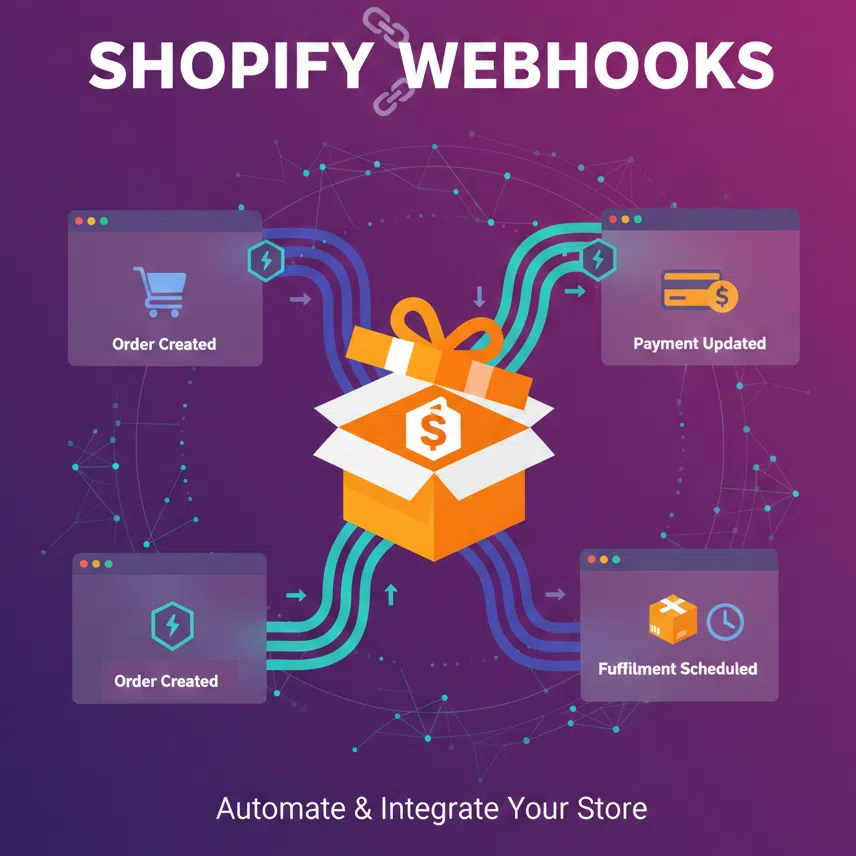
Look for proven, documented webhook integrations and the ability to explain data flow between Shopify and systems such as Salesforce, HubSpot, SAP or NetSuite. Key indicators are experience with REST and GraphQL APIs, HMAC webhook validation, retry and error handling, event-driven architecture, staging tests before go-live, monitored webhook logs and proactive post-launch support.
Finding a Shopify Partner who truly understands CRM and OMS webhook processing is critical if you want smooth, automated, and reliable ecommerce operations. For businesses in the USA, where speed, accuracy, and system efficiency directly affect revenue, the right partner can make or break your integration strategy.
Webhook expertise ensures real-time communication between Shopify and your CRM or OMS. Instead of relying on delayed data syncs or manual updates, webhooks allow your systems to instantly share order details, customer data, inventory changes, and fulfillment updates. This level of automation reduces errors, improves customer experience, and supports scalable growth.
A capable Shopify Partner knows how to configure secure webhook endpoints, manage event triggers, and ensure data consistency across platforms. This is especially important for high-volume stores that process hundreds or thousands of orders daily.
A reliable Shopify Partner demonstrates deep technical understanding through proven experience in webhook-based integrations. Look for partners who can clearly explain how they handle data flow between Shopify and systems like Salesforce, HubSpot, SAP, NetSuite, or custom-built CRMs and OMS platforms.
Key indicators include:
Experience with REST and GraphQL APIs
Knowledge of webhook security protocols like HMAC validation
Ability to manage retries and error handling
Understanding of event-driven architecture
Ask for examples of past projects where they implemented webhook processing for order management, customer lifecycle tracking, or inventory synchronization.
Real expertise shows up in how a partner approaches problem-solving. A strong Shopify Partner will discuss how they monitor webhook logs, manage failed events, and optimize system performance. They will also have a clear strategy for testing webhook workflows in staging environments before going live.
You should expect:
Detailed documentation of their integration process
Demonstrated ability to handle complex data structures
Clear communication on system dependencies and limitations
USA-based ecommerce businesses often operate within specialized sectors like healthcare, fashion, electronics, or B2B manufacturing. A Shopify Partner who understands the demands of these industries will configure webhook systems that align with compliance requirements, order processing standards, and inventory complexity.
Experience in your niche means fewer integration issues and faster implementation timelines.
Webhook systems require ongoing monitoring and optimization. A dependable Shopify Partner offers proactive support, clear reporting, and regular performance reviews. They should communicate how updates to Shopify, CRM, or OMS platforms could impact your integration setup and prepare contingency plans.
This level of partnership ensures your ecommerce infrastructure remains stable, secure, and adaptable as your business grows.
Choosing the right Shopify Partner for CRM and OMS webhook processing is about more than just technical skills. It requires a blend of integration knowledge, strategic thinking, and consistent support. When you work with a partner who masters real-time data flow and system synchronization, your store gains efficiency, scalability, and a competitive edge in the fast-paced US ecommerce market.
Webhooks let Shopify and your CRM or OMS share order details, customer data, inventory changes and fulfilment updates in real time instead of relying on delayed syncs or manual updates. That automation reduces errors, improves customer experience and supports scalable growth, especially for high-volume stores processing hundreds or thousands of orders daily.
Experience with REST and GraphQL APIs, knowledge of webhook security protocols such as HMAC validation, the ability to manage retries and error handling, and an understanding of event-driven architecture. A capable partner can also explain how they handle data flow between Shopify and platforms such as Salesforce, HubSpot, SAP or NetSuite.
A strong partner discusses how they monitor webhook logs, manage failed events and optimise system performance, and has a clear strategy for testing webhook workflows in staging before going live. Expect detailed documentation of their integration process, demonstrated handling of complex data structures and clear communication on dependencies and limitations.
Yes. Sectors such as healthcare, fashion, electronics and B2B manufacturing have distinct compliance requirements, order processing standards and inventory complexity. A partner who understands your niche configures webhook systems that align with those demands, which means fewer integration issues and faster implementation timelines than a generalist would deliver.
Webhook systems need continuous monitoring and optimisation, so a dependable partner offers proactive support, clear reporting and regular performance reviews. They should explain how updates to Shopify, your CRM or your OMS could affect the integration and prepare contingency plans, keeping the infrastructure stable, secure and adaptable as the business grows.

As the CEO and Founder of Qodequay Technologies, I bring over 20 years of expertise in design thinking, consulting, and digital transformation. Our mission is to merge cutting-edge technologies like AI, Metaverse, AR/VR/MR, and Blockchain with human-centered design, serving global enterprises across the USA, Europe, India, and Australia. I specialize in creating impactful digital solutions, mentoring emerging designers, and leveraging data science to empower underserved communities in rural India. With a credential in Human-Centered Design and extensive experience in guiding product innovation, I’m dedicated to revolutionizing the digital landscape with visionary solutions.
Follow the expert :


November 17, 2026

November 13, 2026

November 12, 2026

November 11, 2026

November 10, 2026
Monthly insights on AI, VR and DPDPA compliance — straight from our team to your inbox.
Free 30-minute consultation with our team — or see our products in action.