
Shashikant Kalsha
As the CEO and Founder of Qodequay Technologies, I bring over 20 years of expertise in design thinking, consulting, and digital transformation. Our mission is to merge cutting-edge technologies like AI, Metaverse, AR/VR/MR, and Blockchain with human-centered design, serving global enterprises across the USA, Europe, India, and Australia. I specialize in creating impactful digital solutions, mentoring emerging designers, and leveraging data science to empower underserved communities in rural India. With a credential in Human-Centered Design and extensive experience in guiding product innovation, I’m dedicated to revolutionizing the digital landscape with visionary solutions.

Our LATEST POSTS FROM Shashikant Kalsha
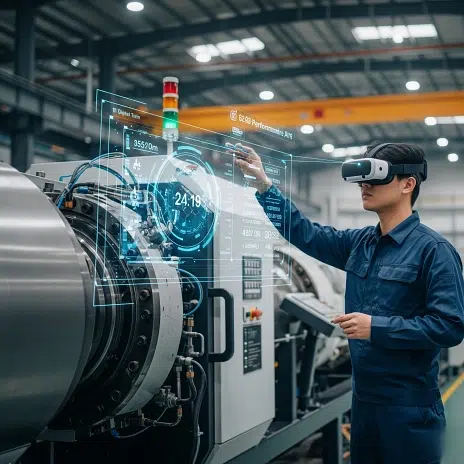
Digital Twins & 3D Modeling in AR
Posted on July 14, 2025 by Shashikant Kalsha
Bridging Worlds: Digital Twins and 3D Modeling in AR The industrial and engineering sectors are undergoing a profound transformation, driven by technologies that offer unprecedented insights and control. At the forefront of this revolution are Digital Twins and 3D Modeling, which, when integrated with Augmented Reality (AR), create a powerful synergy. This combination allows for […]

AR vs. VR: Which Is Right for Your Business?
Posted on by Shashikant Kalsha
Deciphering the Immersive World: AR vs. VR for Your Business In the exciting landscape of immersive technologies, Augmented Reality (AR) and Virtual Reality (VR) often get mentioned in the same breath. While both offer incredible potential to transform business operations, customer experiences, and training, they achieve this through fundamentally different means. Understanding these distinctions is […]

The Death of the Dealership: How AI Agents Are Revolutionizing Automotive Sales
Posted on by Shashikant Kalsha
The automotive dealership model, largely unchanged since the early 20th century, is facing extinction as artificial intelligence agents transform how vehicles are researched, configured, purchased, and delivered. The traditional dealership system, built around physical locations, human sales representatives, and inventory-based selling, is being replaced by AI-powered platforms that provide superior customer experiences while reducing costs […]

Healthcare’s $4 Trillion AI Transformation: From Reactive to Predictive Medicine
Posted on by Shashikant Kalsha
The global healthcare industry, valued at over $4 trillion annually, is undergoing the most fundamental transformation since the discovery of antibiotics. Artificial intelligence is shifting healthcare from a reactive model that treats diseases after they occur to a predictive model that prevents diseases before they manifest, fundamentally changing how medical care is delivered, how health […]

The 4-Day Work Week Paradox: How AI Makes Us More Productive and More Human
Posted on by Shashikant Kalsha
The traditional 40-hour work week, established during the industrial age when human labor was the primary source of value creation, is becoming obsolete as artificial intelligence transforms how work gets done and value gets created. The emergence of AI capabilities that can handle routine tasks, process information, and generate insights is creating a paradox: as […]

Remote Work is Dead. Long Live Distributed AI Teams
Posted on by Shashikant Kalsha
The remote work revolution that transformed business during the COVID-19 pandemic was just the beginning of a much more fundamental transformation in how work gets organized and executed. While remote work focused on enabling humans to work from different locations, the next evolution distributed AI teams involves humans and artificial intelligence systems collaborating across geographic, […]

The Rise of the AI Whisperer: Why Prompt Engineering is the New Coding
Posted on July 11, 2025 by Shashikant Kalsha
In the early days of computing, programming languages created a barrier between human intentions and machine execution that required specialized technical skills to bridge. Today, artificial intelligence is creating a similar but fundamentally different challenge: the ability to communicate effectively with AI systems through natural language prompts that guide their behavior and output. This skill, […]
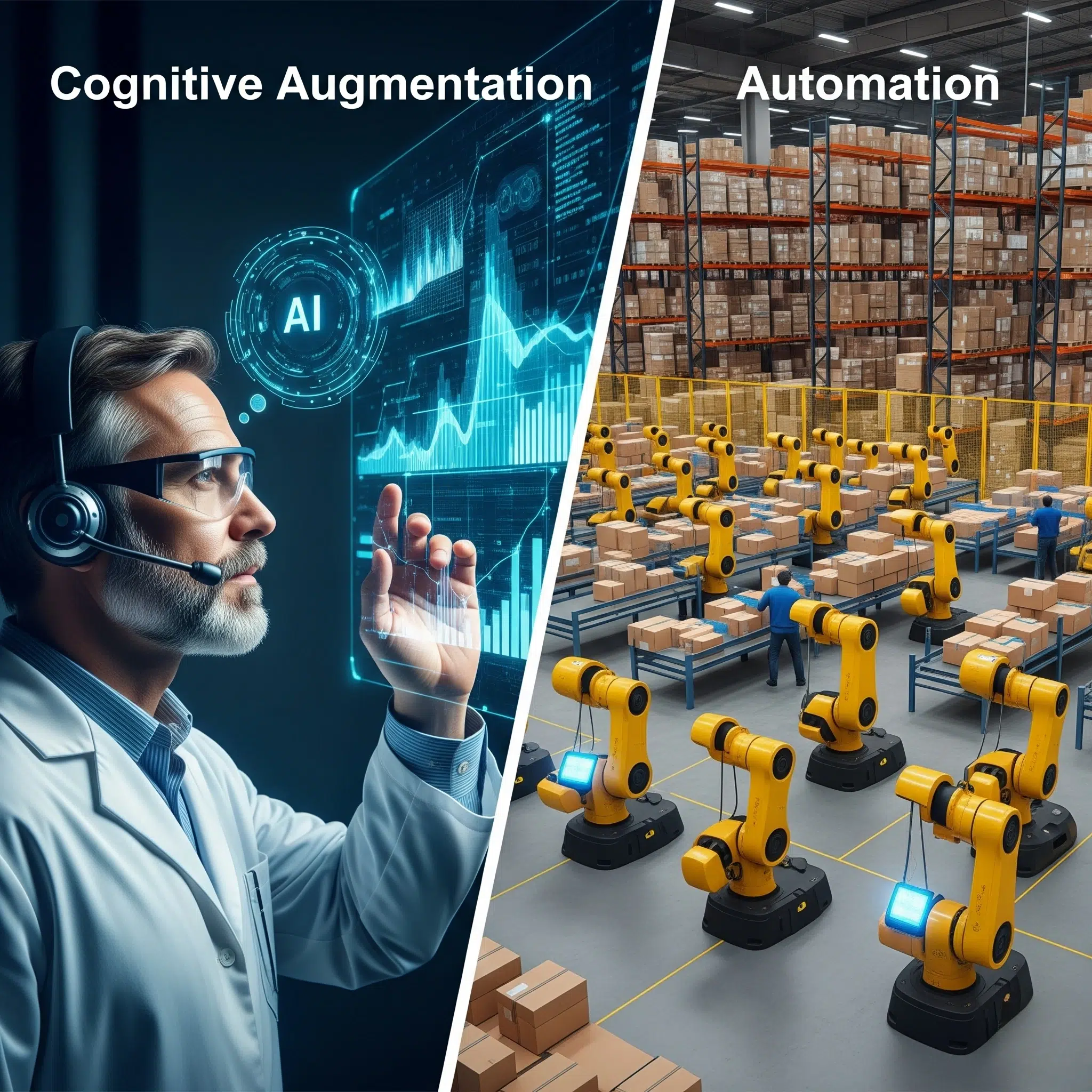
Cognitive Augmentation vs. Automation: The Battle for Human Relevance
Posted on by Shashikant Kalsha
The artificial intelligence revolution has created two fundamentally different approaches to integrating AI into human work: automation, which replaces human activities with AI systems, and cognitive augmentation, which enhances human capabilities through AI assistance. This distinction represents more than a technical choice, it determines whether humans remain central to value creation or become increasingly marginalized […]

The Death of the Job: Why Roles Will Replace Positions in the AI Economy
Posted on by Shashikant Kalsha
The concept of the "job" a fixed set of responsibilities performed by one person within a defined organizational structure, is becoming obsolete as artificial intelligence fundamentally reshapes how work gets done, value gets created, and human capabilities get utilized. The industrial-age model of jobs, with their rigid job descriptions, hierarchical reporting structures, and standardized performance […]
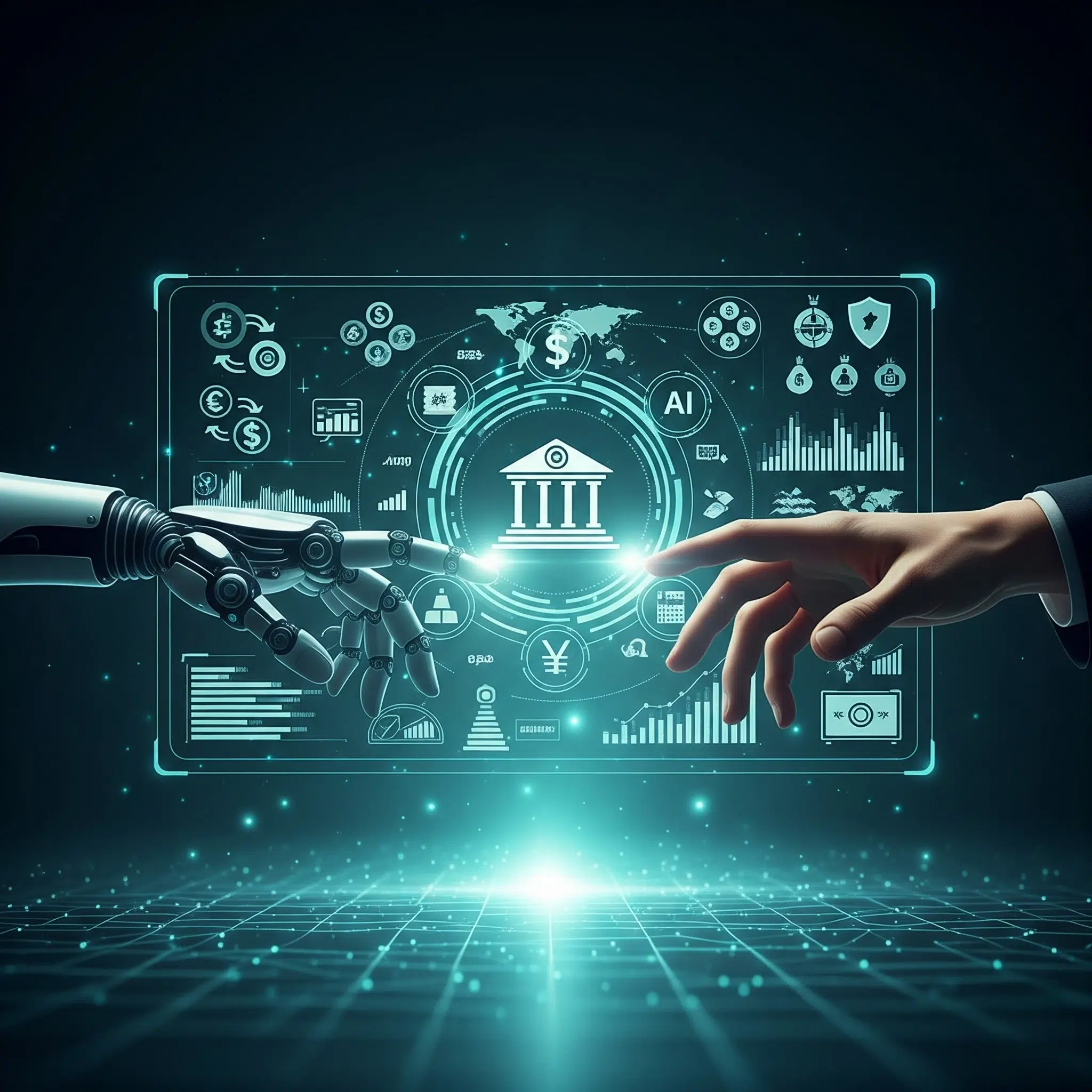
FinTech’s Final Evolution: When Every Company Becomes a Bank Through AI
Posted on by Shashikant Kalsha
The financial services industry is experiencing its final evolutionary transformation as artificial intelligence enables every company to offer banking, lending, and financial services without the traditional infrastructure, regulatory burden, and capital requirements that have historically limited financial services to specialized institutions. This transformation represents the ultimate democratization of finance, where AI-powered platforms enable any business […]

Smart Cities or Surveillance States? The AI Governance Dilemma
Posted on by Shashikant Kalsha
The promise of smart cities powered by artificial intelligence urban environments that optimize traffic flow, reduce energy consumption, improve public safety, and enhance quality of life through data-driven decision-making is colliding with growing concerns about privacy, surveillance, and democratic governance. As cities worldwide implement AI systems to manage everything from transportation to public health, they […]
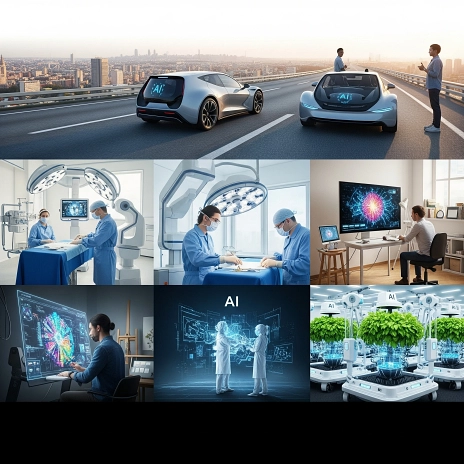
Top AI Trends Transforming Business in 2025
Posted on by Shashikant Kalsha
Top AI Trends Transforming Businesses in 2025: A Deep Dive Artificial Intelligence (AI) is no longer a futuristic concept; it’s a fundamental force reshaping industries and redefining how businesses operate, innovate, and connect with their customers. In 2025, AI’s influence is accelerating, moving beyond experimental phases to deliver tangible, measurable business impact. This year marks […]
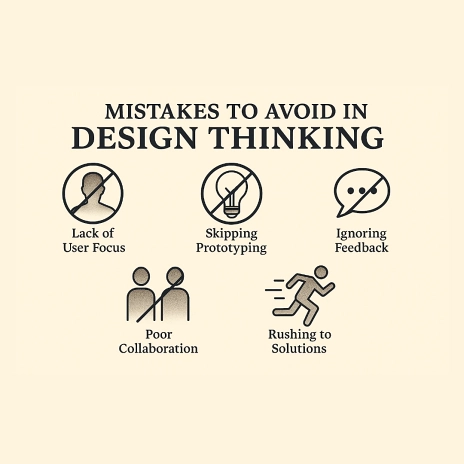
Top 10 Prototype Mistakes to Avoid in Design Thinking
Posted on by Shashikant Kalsha
Top 10 Prototype Mistakes to Avoid in Design Thinking Creating effective prototypes is a critical step in the design thinking process. It’s how we test ideas, gather feedback, and refine our solutions. However, rushing into prototyping without the right mindset or a clear strategy can unfortunately lead to wasted time, missed insights, and ultimately, flawed […]

Design Thinking in Agile and Lean Workflows
Posted on by Shashikant Kalsha
Design Thinking in Agile and Lean Environments In the world of product development, two methodologies have gained immense popularity for their ability to deliver value quickly and adapt to change: Agile and Lean. Agile, with its iterative sprints and focus on working software, and Lean, with its emphasis on waste reduction and continuous improvement, have […]
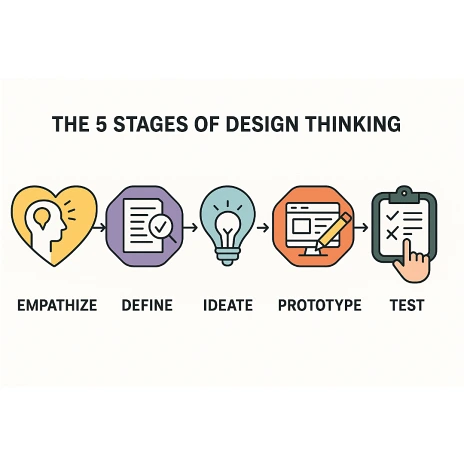
The 5 Stages of Design Thinking Explained
Posted on by Shashikant Kalsha
The Five Stages of Design Thinking Explained Design Thinking is a powerful, human-centered approach to innovation that helps solve complex problems by putting the needs of the user first. It’s not a rigid, linear process, but rather a flexible framework that encourages iteration and creativity. At its core are The Five Stages of Design Thinking: […]

Prototyping: Low-fidelity, High-fidelity and Best Practices
Posted on by Shashikant Kalsha
Best Practices for Low and High-Fidelity Prototypes In the dynamic world of design and product development, prototyping is an indispensable step. It’s the art of bringing ideas to life in a tangible, testable form, allowing teams to gather crucial feedback and iterate rapidly before investing significant resources into final development. Effective prototyping techniques and best […]

Measuring Design Thinking: Metrics and Impact
Posted on by Shashikant Kalsha
Measuring Design Thinking: Metrics and Impact Design Thinking is widely lauded for its ability to foster innovation, create human-centered solutions, and transform organizational culture. However, like any significant investment or strategic approach, its effectiveness needs to be measured. For organizations to truly understand the value and justify the continued investment in Design Thinking, it’s essential […]
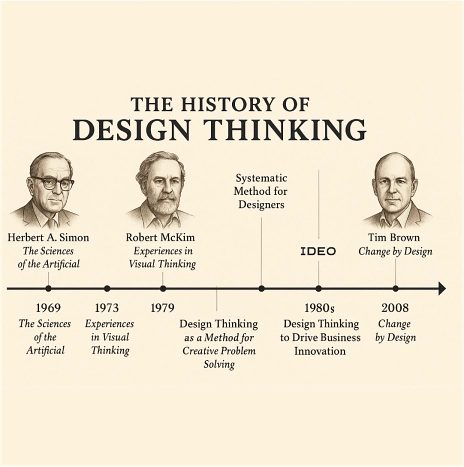
History of Design Thinking: Origins & Evolution
Posted on by Shashikant Kalsha
History of Design Thinking: Origins & Evolution Design Thinking has become a widely recognized approach for problem-solving and innovation across countless industries. But where did this powerful methodology come from? The History of Design Thinking is rich and spans decades, evolving from academic theories in the mid-20th century to a prominent, human-centered framework used by […]
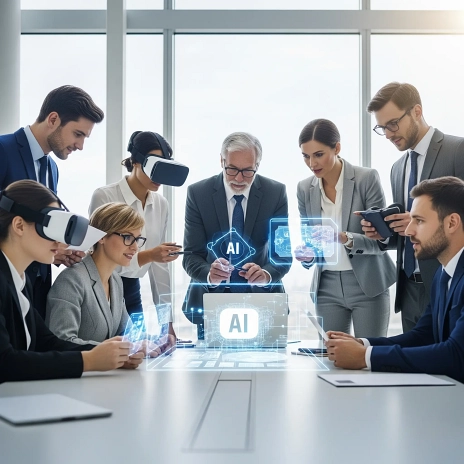
Future of Design Thinking: AI, VR & Beyond
Posted on by Shashikant Kalsha
Future of Design Thinking: AI, VR & What’s Next Design Thinking has firmly established itself as a powerful, human-centered approach to problem solving and innovation. It helps individuals and organizations navigate complex challenges by deeply understanding user needs, iterating rapidly, and focusing on desirability, feasibility, and viability. But like any dynamic field, Design Thinking is […]
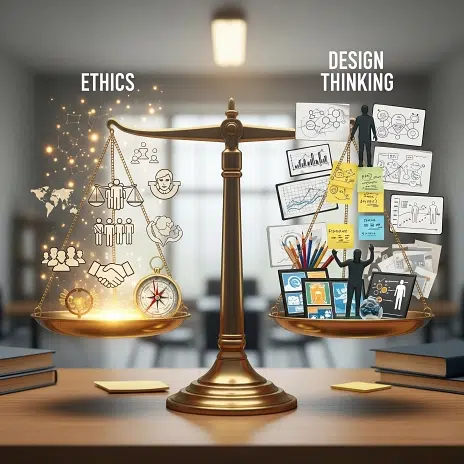
Ethics in Design Thinking: Bias, Inclusivity
Posted on by Shashikant Kalsha
Ethical Considerations in Design Thinking Design Thinking is a powerful methodology for innovation, driven by empathy and a desire to create human-centered solutions. However, with great power comes great responsibility. As designers and innovators, we hold the potential to profoundly impact individuals and society through the products, services, and systems we create. This makes understanding […]